

Electricity meters require stable electrical connections and accurately designed current-measuring components to provide reliable metering performance. Within a meter, terminals, shunts, screws, conductors, and terminal blocks work together to establish the current path and connect the measuring circuit. Among these components, an Ebw Shunt With Brass Terminal is an important solution for meter manufacturers that need a compact assembly combining a shunt with a conductive terminal.
An electricity meter must maintain reliable electrical contact throughout its service life. Loose connections, poor contact surfaces, corrosion, or inconsistent component dimensions can affect the electrical connection and may create additional resistance or heating. For this reason, meter terminals are commonly manufactured from conductive metals such as brass or copper alloys, with surface treatments selected according to the application.
A typical Copper Brass Terminal can provide a practical combination of electrical conductivity, mechanical strength, machinability, and connection reliability. Brass terminals can also be manufactured with different screw holes, dimensions, threads, and surface finishes to match specific meter designs. Suppliers of meter components commonly provide customized brass terminals according to drawings or samples.
In modern electricity meters, shunt assemblies are particularly important for current measurement. An appropriately designed shunt provides a known low-resistance path, allowing the meter’s measurement circuitry to determine current based on the voltage developed across the shunt. When the shunt is integrated with brass terminals, the assembly can simplify internal meter construction and provide a defined connection interface.
What Is an Ebw Shunt With Brass Terminal?
An Ebw Shunt With Brass Terminal is a meter component that combines a shunt element with brass connection terminals. The shunt is used in the current-measuring circuit, while the brass terminal provides the mechanical and electrical interface for connecting conductors or other components.
The term EBW generally refers to electron beam welding, a precision welding process that can be used to join conductive components. In electricity-meter applications, shunts may also be manufactured using electron-beam or spot-welding technologies depending on the design and production requirements. Some electricity-meter specifications specifically call for shunts to be E-beam or spot welded.
The combination of shunt and terminal is useful because the two components can be supplied as an integrated assembly rather than requiring separate parts to be connected during meter manufacturing. This can help standardize the internal connection structure and simplify assembly.
The brass terminal portion normally contains a hole, slot, threaded section, or other connection structure for securing the conductor. Depending on the meter design, terminals can be produced with different screw sizes and dimensions. For example, some energy-meter terminal products are available with M5 or M6 screw holes and different current-carrying specifications.
Material Selection for Meter Terminals
Brass is widely used for electrical terminals because it offers a useful combination of conductivity, strength, machinability, and corrosion resistance. It is also suitable for precision machining, making it possible to manufacture small meter components with controlled dimensions and threads.
A Copper Brass Terminal can be manufactured from different brass grades depending on the required electrical and mechanical properties. Surface treatments such as tin plating or nickel plating may also be applied. Some meter-terminal manufacturers offer natural brass, tin-plated, and nickel-plated finishes according to customer specifications.
The choice between different materials and finishes should depend on the meter design, expected operating environment, current rating, connection method, and applicable technical requirements.
Shunt and Terminal Integration
The connection between the shunt and terminal is especially important. A well-controlled joining process can help create a stable electrical path while maintaining the mechanical integrity of the assembly.
For high-volume electricity-meter manufacturing, consistency is also important. The shunt resistance, terminal dimensions, welding position, screw-hole dimensions, and surface finish should remain within the required tolerances from batch to batch.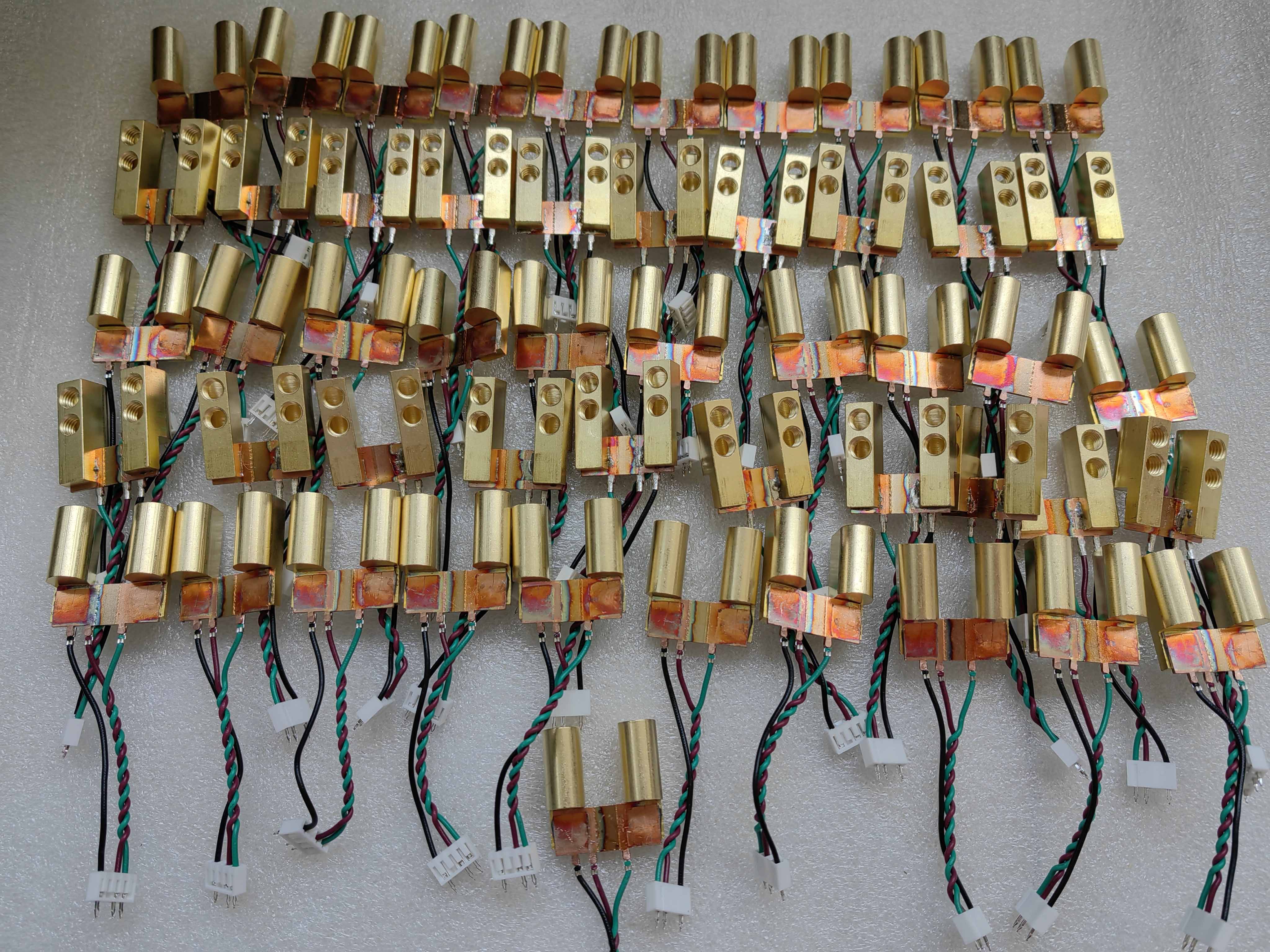
Why Are Brass Terminals and Terminal Blocks Important in Electricity Meters?
The internal connection system of an electricity meter must provide reliable contact between incoming and outgoing conductors and the meter’s measurement circuit. This is where the Electrical Meter Brass Terminal becomes an important component.
Electricity-meter technical specifications commonly require terminals to provide sufficient conductor grip and reliable long-term contact. Some specifications also require tinned or nickel-plated brass for terminals, screws, and washers.
Electrical Conductivity and Stable Contact
The primary function of a terminal is to establish a reliable electrical connection. Brass provides suitable electrical conductivity while also offering the mechanical properties required for screw connections.
A terminal must maintain adequate contact pressure against the conductor. If a connection becomes loose, contact resistance can increase and may contribute to unwanted heating. Meter specifications therefore pay close attention to conductor clamping, screw design, and terminal construction.
This is particularly important in electricity meters because the terminal system may carry the current entering or leaving the customer’s electrical installation.
Mechanical Strength
In addition to conductivity, meter terminals must withstand mechanical forces during assembly, wiring, transportation, and service.
A properly manufactured Electrical Meter Brass Terminal can provide a stable mounting and clamping point for the conductor. Precision machining is important because screw holes, threads, terminal dimensions, and contact surfaces need to match the meter’s terminal block.
The terminal should also be compatible with the conductor size and connection method specified by the meter manufacturer.
Corrosion Resistance
Electricity meters can be installed in different environments, including indoor electrical cabinets, outdoor meter boxes, industrial facilities, and residential buildings. Moisture and environmental exposure can affect metal connections over time.
Surface treatments such as tin or nickel plating can be used to improve the surface properties of brass terminals. Some manufacturers specifically offer plated terminals for electricity-meter applications.
Integration with Terminal Blocks
Terminal Blocks provide organized connection points within electrical equipment. In electricity meters, the terminal block can contain multiple current and voltage terminals as well as auxiliary connection points.
Technical documentation for energy meters describes terminal blocks containing current terminals, voltage terminals, and auxiliary terminals, with conductors secured by screws.
A well-designed terminal block should provide sufficient insulation and spacing between conductive parts while allowing reliable conductor clamping. For this reason, the brass terminal and the insulating terminal-block housing need to be designed as a compatible system.
How to Choose the Right Screw Terminal and Shunt Assembly for Electricity Meters?
When purchasing a Screw Terminal For Electricity Meter, manufacturers should consider more than the basic shape and material. The terminal must match the electrical, mechanical, dimensional, and environmental requirements of the meter.
1. Check the Material
Brass is a common material for electricity-meter terminals because it provides a balance between conductivity and mechanical performance. Depending on the application, manufacturers can specify different brass grades or copper-based materials.
For demanding applications, the material should be selected according to current requirements, temperature conditions, corrosion exposure, and the applicable meter specifications.
2. Confirm the Screw and Thread Dimensions
The screw connection must match the conductor, terminal block, and meter design. Thread type, screw diameter, hole diameter, thread depth, and head design should be checked before production.
Some meter specifications require minimum screw dimensions and specific terminal construction to ensure effective conductor clamping.
A precisely machined Screw Terminal For Electricity Meter can help ensure consistent assembly and reduce problems caused by mismatched threads or insufficient conductor grip.
3. Select the Correct Surface Treatment
Natural brass may be suitable for certain applications, while tin-plated or nickel-plated surfaces can be selected when additional surface protection or specific contact characteristics are required.
The appropriate finish depends on the meter design and operating environment. For high-volume production, surface treatment should also remain consistent across production batches.
4. Consider Shunt Compatibility
When purchasing an Ebw Shunt With Brass Terminal, the shunt and terminal should be evaluated as an integrated assembly. The shunt’s resistance value, dimensions, welding method, terminal configuration, and connection points should match the meter’s measurement circuit.
The welding process is particularly important because the joint must provide reliable electrical and mechanical performance. Meter specifications may identify electron-beam or spot welding for shunt construction.
5. Check Customization Capabilities
Electricity-meter manufacturers often use proprietary internal structures, meaning standard terminals may not always fit every meter design.
For this reason, suppliers that can customize brass terminal dimensions, screw holes, threads, plating, shunt dimensions, and welding positions can provide greater flexibility. Existing meter-component suppliers commonly offer customized terminal dimensions based on customer drawings or samples.
6. Evaluate Quality Control
Precision is important for small electrical components. Manufacturers should consider dimensional inspection, thread inspection, surface inspection, welding quality, material consistency, and electrical testing where applicable.
For large-volume meter production, stable quality between batches is especially important because even small dimensional differences can affect automated assembly or final meter performance.
Overall, the Ebw Shunt With Brass Terminal provides an integrated solution for current-measurement and electrical connection applications in electricity meters. The combination of a precision shunt and conductive brass terminal can help simplify meter assembly while providing a defined current path.
A high-quality Copper Brass Terminal or Electrical Meter Brass Terminal can provide the mechanical and electrical interface required inside the meter. Meanwhile, a properly designed Screw Terminal For Electricity Meter allows conductors to be securely connected to the meter’s terminal block.
For complete meter connection systems, Terminal Blocks organize current, voltage, and auxiliary connections while providing the necessary insulation and mechanical support. By carefully selecting material, dimensions, screw specifications, surface treatment, welding technology, and quality-control requirements, electricity-meter manufacturers can develop reliable internal connection components suited to different meter designs and production requirements.
Post time: Sep-20-2026