

As smart grids continue to expand worldwide, electricity meters are becoming more intelligent, accurate, and energy-efficient. One of the key technologies driving this transformation is the Magnetic Nanocrystalline Core, which offers superior magnetic performance compared with conventional core materials. Combined with the Fe-Based Nanocrystalline Power Transformer Core and advanced Magnetic Material, these components help electricity meters achieve precise current measurement, lower power consumption, and long-term operational reliability.
Modern utility companies require electricity meters to operate continuously for more than a decade while maintaining measurement accuracy under various environmental conditions. To meet these demanding requirements, manufacturers increasingly rely on high-performance magnetic materials that deliver stable electrical characteristics and minimal energy loss. The integration of Magnetic Nanocrystalline Core technology into power transformers and current sensing devices has become a major innovation in smart metering systems.
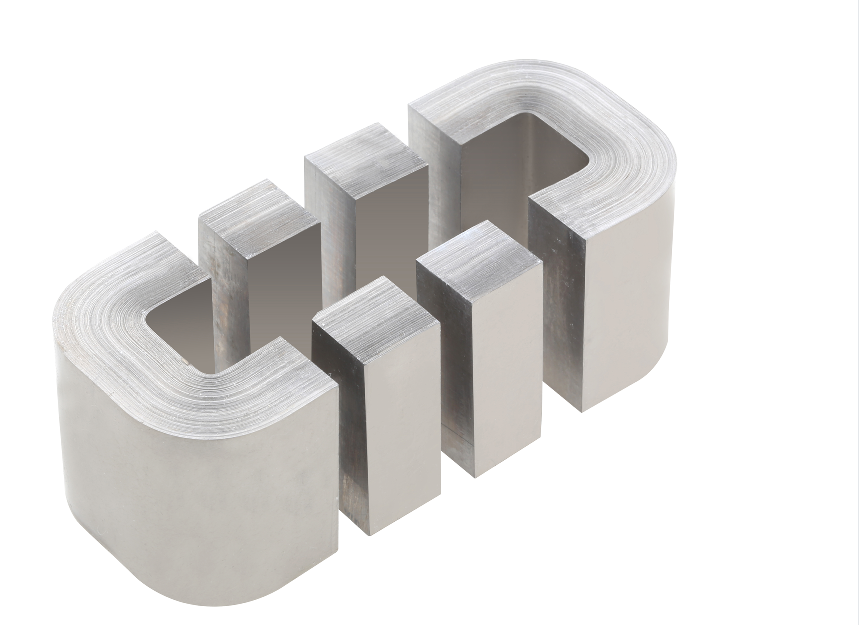
How Magnetic Nanocrystalline Core Enhances Electricity Meter Performance
The Magnetic Nanocrystalline Core is manufactured using advanced rapid solidification technology followed by controlled heat treatment. This process creates an ultra-fine crystalline structure, typically measuring only a few nanometers in size, giving the material exceptional magnetic properties.
Compared with traditional ferrite cores and silicon steel cores, a Magnetic Nanocrystalline Core provides significantly higher magnetic permeability and much lower core losses. These characteristics make it particularly suitable for precision electrical measurement equipment such as smart electricity meters.
Inside an electricity meter, the Magnetic Nanocrystalline Core is commonly used in current transformers, voltage transformers, pulse transformers, and switching power supplies. These components require highly stable magnetic performance to ensure accurate signal conversion and reliable energy measurement.
Some of the major advantages of using a Magnetic Nanocrystalline Core include:
Extremely high magnetic permeability
Very low hysteresis loss
Low eddy current loss
Excellent frequency response
High saturation magnetic induction
Outstanding thermal stability
Compact and lightweight design
These features enable electricity meters to deliver highly accurate readings even when measuring small current variations. Lower magnetic losses also reduce heat generation inside the meter, improving long-term reliability and extending product lifespan.
In modern smart metering systems, precise energy measurement directly affects billing accuracy, making high-performance magnetic cores an essential component.
Advantages of Fe-Based Nanocrystalline Power Transformer Core in Smart Meter Applications
Among various nanocrystalline products, the Fe-Based Nanocrystalline Power Transformer Core has become one of the most widely used magnetic components in electricity meter manufacturing.
The Fe-Based Nanocrystalline Power Transformer Core is produced from iron-based amorphous alloys that undergo a specialized crystallization process. This unique structure combines the high saturation magnetic induction of iron with the outstanding permeability of nanocrystalline materials.
For power transformer applications inside electricity meters, the Fe-Based Nanocrystalline Power Transformer Core offers several key benefits.
Higher Energy Efficiency
One of the most important characteristics of the Fe-Based Nanocrystalline Power Transformer Core is its extremely low core loss. Reduced energy dissipation improves the efficiency of internal power supplies, allowing smart meters to consume less electricity during continuous operation.
Improved Measurement Accuracy
Electricity meters require highly stable transformer performance across a wide current range. The excellent magnetic properties of the Fe-Based Nanocrystalline Power Transformer Core help maintain consistent voltage and current conversion, resulting in highly accurate energy measurements.
Excellent Temperature Stability
Electricity meters are installed in diverse environments, including outdoor electrical cabinets and industrial facilities where temperatures may fluctuate significantly. The Fe-Based Nanocrystalline Power Transformer Core maintains stable magnetic characteristics over a broad operating temperature range, ensuring reliable performance throughout the product’s service life.
Compact Design
Because of its high permeability and high magnetic flux density, the Fe-Based Nanocrystalline Power Transformer Core allows engineers to design smaller transformers without sacrificing efficiency. This contributes to the miniaturization of modern electricity meters while maintaining excellent electrical performance.
As smart metering technology continues to evolve, the demand for compact, efficient, and reliable transformer cores continues to increase worldwide.
The Importance of High-Quality Magnetic Material in Electricity Meters
Every modern electricity meter relies on high-performance Magnetic Material to achieve stable operation and precise measurement. The quality of the magnetic material directly influences transformer efficiency, sensor accuracy, electromagnetic compatibility, and overall system reliability.
Advanced Magnetic Material is used throughout the electricity meter in multiple components, including:
Current transformers
Voltage transformers
Pulse transformers
EMI suppression chokes
Common-mode inductors
Switching power supply transformers
Signal isolation transformers
Among these applications, nanocrystalline magnetic materials have become increasingly popular because they combine low energy loss with excellent high-frequency performance.
Compared with conventional magnetic materials, advanced Magnetic Material provides numerous advantages:
Lower magnetic losses
Higher permeability
Faster magnetic response
Better frequency characteristics
Improved electromagnetic shielding
Reduced operating temperature
Longer service life
These improvements contribute directly to better electricity meter performance.
In addition to electrical advantages, modern Magnetic Material also supports environmentally friendly manufacturing. Many nanocrystalline materials require fewer raw materials while delivering superior efficiency, helping manufacturers reduce energy consumption and carbon emissions.
With the rapid expansion of smart grids, advanced metering infrastructure (AMI), and Internet of Things (IoT) technologies, electricity meters must process increasingly complex electrical signals while maintaining exceptional accuracy. High-quality Magnetic Material enables manufacturers to meet these growing technical requirements.
Future electricity meters are expected to integrate even more advanced nanocrystalline magnetic technologies to support bidirectional energy measurement, renewable energy systems, distributed power generation, and intelligent energy management platforms.
The development of intelligent electricity meters depends heavily on continuous innovation in magnetic technology. The Magnetic Nanocrystalline Core provides superior magnetic performance that enables highly accurate current sensing, lower power loss, and improved long-term reliability.
Likewise, the Fe-Based Nanocrystalline Power Transformer Core plays a critical role in delivering efficient power conversion, compact transformer design, and stable electrical performance under varying operating conditions.
Combined with premium Magnetic Material, these advanced components help manufacturers produce electricity meters that meet the highest international standards for precision, durability, and energy efficiency. As global demand for smart metering solutions continues to grow, nanocrystalline magnetic technology will remain a key driver of innovation, supporting safer, smarter, and more sustainable power management systems for residential, commercial, and industrial applications.
Post time: Jul-29-2026