

Electric meters play an essential role in modern power distribution and energy management. From residential electricity meters to commercial and industrial metering systems, these devices need to measure electrical parameters accurately and safely. As electrical systems become more sophisticated, transformer components are increasingly important for signal conversion, voltage measurement, isolation, and circuit protection.
Among the transformer-related products used in electronic metering equipment, Transformador Pcb, Potential Transformer, and Power Transformer are three important concepts that can be associated with different electrical functions. Although they may share similar electromagnetic principles, their applications, construction, and electrical characteristics can be different.
For electric meter manufacturers, selecting the appropriate transformer is important because the component must work reliably with the meter’s measurement circuit. The transformer needs to match the required voltage, current, frequency, insulation, dimensions, and circuit configuration. In many applications, compact PCB-mounted transformer solutions are especially valuable because modern electricity meters need to remain small while incorporating increasingly sophisticated electronic functions.
Understanding the role of each transformer type can help engineers, purchasing teams, and manufacturers choose more suitable components for energy measurement products.
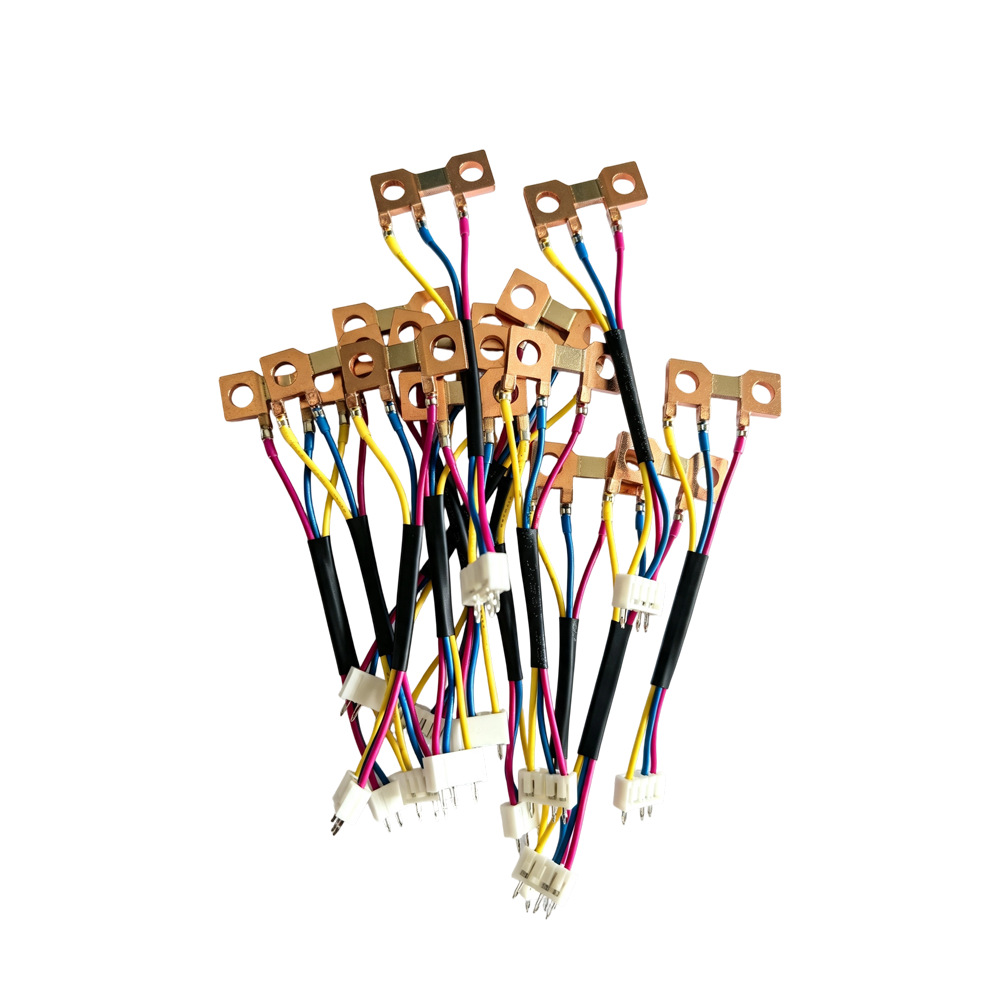
The Role of Transformador PCB in Modern Electric Meters
A Transformador Pcb generally refers to a transformer designed for mounting directly onto a printed circuit board. In Spanish-language markets, “Transformador PCB” is commonly used to describe PCB-mounted transformer components. These transformers can be designed for voltage conversion, signal isolation, power supply circuits, or other electronic functions depending on their electrical specifications.
In an electric meter, the PCB is the central platform that connects measurement circuits, microcontrollers, communication systems, display components, power management circuits, and other electronic components. A compact PCB-mounted transformer can therefore be integrated directly into the electronic architecture of the meter.
One of the major advantages of a Transformador Pcb is its compact construction. Traditional electrical transformers can occupy considerable physical space, while PCB-mounted designs are developed specifically for electronic circuit integration. This is particularly useful for modern smart meters, where manufacturers need to accommodate measurement and communication functions within a relatively compact enclosure.
Electrical isolation is another important function. In certain meter circuit designs, isolation between different parts of the electrical system can help improve safety and protect sensitive electronic components. A properly specified transformer can provide galvanic isolation while transferring electrical energy or signals through electromagnetic induction.
A Transformador Pcb may also be used within the power supply section of an electricity meter. The electronic circuits inside the meter may require specific voltage levels that differ from the incoming supply. A transformer can help provide an appropriate voltage for the meter’s internal power electronics, depending on the overall power supply architecture.
The design of a PCB transformer requires careful consideration of electrical and mechanical specifications. Important parameters may include input voltage, output voltage, rated power, operating frequency, insulation requirements, winding configuration, dielectric strength, temperature characteristics, and PCB mounting dimensions.
For electric meter manufacturers, the physical dimensions are particularly important. The transformer needs to fit accurately on the PCB without interfering with other components. Pin spacing, mounting orientation, component height, and PCB footprint should all be confirmed during the design stage.
Thermal performance should also be considered. Although many metering circuits operate at relatively low power, continuous operation can generate heat. The transformer should be selected according to the expected load and operating environment so that temperature rise remains within appropriate limits.
Reliability is another key consideration. Electric meters are designed for long-term operation and may remain energized continuously for many years. Therefore, transformer materials, insulation systems, winding quality, and manufacturing consistency can have a direct impact on the long-term stability of the meter.
As smart electricity meters increasingly integrate communication technologies, displays, microprocessors, and data processing functions, PCB space becomes more valuable. A properly designed Transformador Pcb can help manufacturers create compact electronic architectures while supporting the electrical requirements of the meter.
Potential Transformer Applications in Electricity Measurement
A Potential Transformer, often abbreviated as PT, is primarily associated with voltage measurement and voltage transformation. Its fundamental purpose is to reduce a higher voltage to a lower, more manageable voltage that can be measured by instruments or electronic circuits.
In electrical measurement applications, directly connecting sensitive measurement electronics to high-voltage systems may not be practical or safe. A Potential Transformer can provide electrical isolation and transform the primary voltage to a lower secondary voltage that corresponds to the measurement circuit’s requirements.
This principle is particularly important in electrical metering. Depending on the system voltage and meter design, voltage measurement may require the use of a suitable transformer or another voltage-sensing technology. The transformer allows the measurement system to obtain a representative voltage signal without directly exposing sensitive electronics to the full system voltage.
Accuracy is an important characteristic when a Potential Transformer is used for metering applications. Because the transformed voltage is used to calculate electrical parameters, errors in the transformer ratio or phase relationship can influence measurement results.
For this reason, engineers should carefully evaluate the transformer’s ratio, accuracy characteristics, phase displacement, frequency range, insulation performance, and rated voltage according to the intended application.
In conventional metering systems, voltage and current measurements can be combined to calculate parameters such as active power, reactive power, apparent power, and energy consumption. The voltage signal obtained through a suitable sensing component becomes an important input for the meter’s measurement circuitry.
Modern smart meters may use different voltage sensing architectures depending on their design. Some applications use compact transformer-based solutions, while others use resistive dividers, capacitive methods, integrated sensors, or other technologies. The appropriate solution depends on the electrical system, accuracy requirements, isolation requirements, cost, and product architecture.
A Potential Transformer may be particularly relevant in medium-voltage or higher-voltage measurement environments where electrical isolation and voltage transformation are important. In such systems, the transformer must be designed to withstand the applicable electrical stresses and environmental conditions.
Insulation is therefore a major consideration. The transformer must provide sufficient isolation between the primary and secondary circuits. The insulation system, winding arrangement, core structure, and construction materials all contribute to the overall safety and reliability of the component.
For electric meter manufacturers, another important consideration is long-term stability. A transformer used for measurement should maintain predictable characteristics over its expected operating life. Changes in temperature, frequency, load, or environmental conditions should be evaluated during product development and testing.
A correctly selected Potential Transformer can therefore provide an effective interface between the electrical system being measured and the electronic measurement circuit. It allows voltage information to be transformed into a form that can be processed by the meter while helping maintain the required level of electrical isolation.
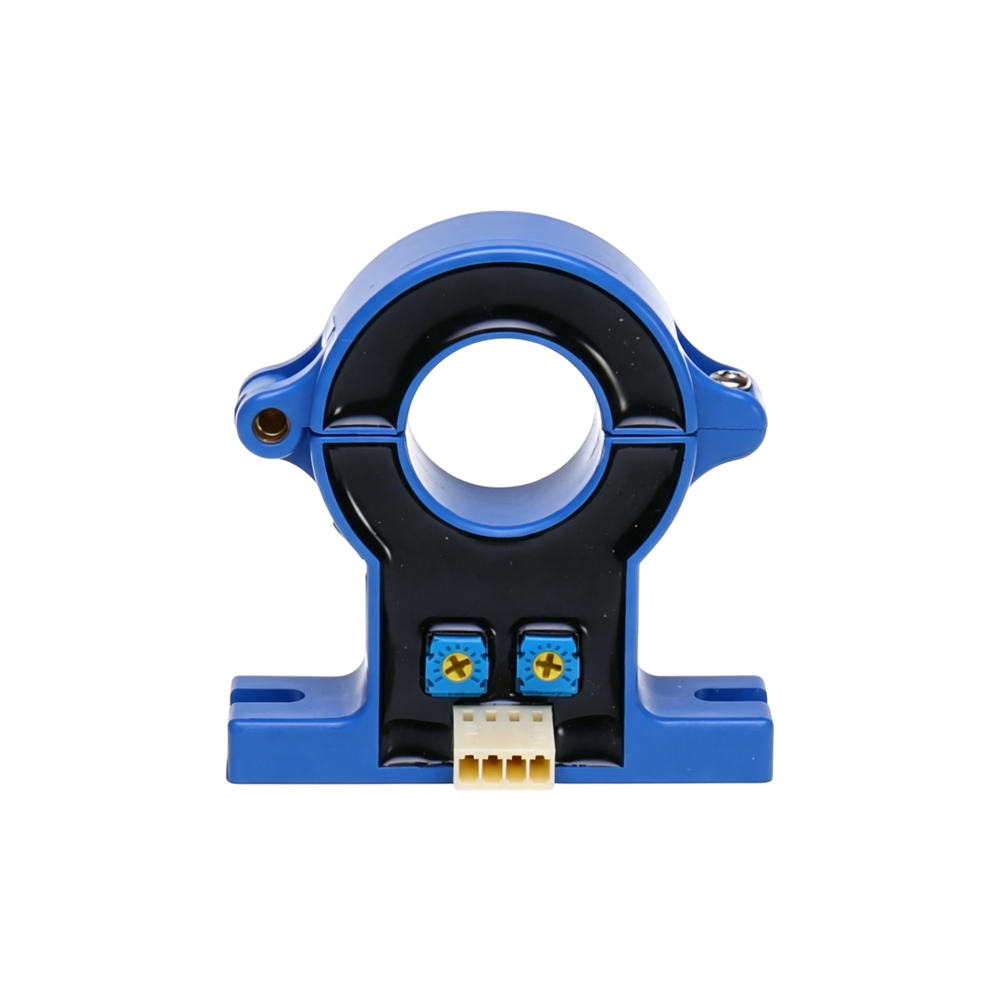
Power Transformer Selection for Metering Systems and Electronic Circuits
A Power Transformer is designed primarily to transfer electrical power between circuits while changing voltage levels and, where required, providing electrical isolation. Compared with a transformer used specifically for voltage measurement, a power transformer is generally selected according to power-transfer requirements rather than measurement accuracy alone.
In electricity meter applications, a Power Transformer may be incorporated into the meter’s power supply or related electronic systems. Modern meters contain microcontrollers, communication modules, displays, memory, sensors, and other electronic circuits. These components require stable and appropriate power to operate correctly.
Depending on the meter architecture, a Power Transformer can help convert the available input voltage into a lower voltage suitable for internal electronics. This can be particularly useful in designs where isolation is required between the incoming electrical supply and low-voltage electronic circuits.
The transformer’s rated power must be selected according to the total requirements of the connected circuits. If the transformer is undersized, excessive temperature rise or unstable operation may occur. If it is significantly oversized, unnecessary space and cost may be introduced into the product.
For compact electric meters, transformer size can be an important engineering consideration. Designers must balance power requirements, thermal performance, PCB space, insulation distance, and overall product dimensions.
Frequency is another important parameter. Transformer performance depends on operating frequency, and the core material and winding design should correspond to the intended frequency range. A transformer designed for one operating condition should not automatically be assumed to be suitable for another.
Core material also influences transformer performance. Different magnetic materials can provide different levels of efficiency, loss characteristics, temperature performance, and frequency suitability. Manufacturers should therefore select core materials according to the transformer’s intended application.
Winding design is equally important. The number of turns, wire diameter, winding arrangement, insulation, and connection configuration all influence the transformer’s electrical characteristics. Manufacturing consistency is particularly important for components used in large quantities of electricity meters.
A Power Transformer used in a metering product should also be evaluated for temperature rise and environmental conditions. Electric meters can be installed in indoor electrical cabinets, outdoor meter boxes, utility facilities, commercial buildings, and industrial environments. The transformer must therefore be appropriate for the expected operating temperature and installation conditions.
From a system perspective, the three transformer concepts can serve different purposes. A Transformador Pcb focuses on PCB integration and compact electronic applications. A Potential Transformer is primarily associated with voltage measurement and transformation, particularly where isolation and accurate voltage sensing are required. A Power Transformer is mainly concerned with transferring electrical power between circuits and providing the voltage level required by electronic systems.
However, terminology and product configurations can vary between manufacturers and markets. Therefore, engineers should always evaluate the actual electrical specifications and application requirements instead of selecting a component based only on its name.
For companies developing electricity meters, the selection process should begin with the electrical architecture of the complete meter. Input voltage, output voltage, rated power, frequency, isolation requirements, measurement accuracy, PCB dimensions, operating temperature, and expected service life should all be defined.
Prototype testing is also recommended before mass production. Engineers can evaluate transformer temperature rise, voltage regulation, insulation performance, electrical stability, mechanical compatibility, and long-term operation under representative conditions.
The demand for reliable electricity meters continues to increase as power grids become more digital and energy management becomes more important. Smart metering systems require accurate measurement, reliable communication, compact electronics, and stable power management. Transformer components can contribute to several of these functions when correctly selected and integrated.
For manufacturers and electronic component buyers, understanding the differences between Transformador Pcb, Potential Transformer, and Power Transformer can make the product development and sourcing process more efficient. Each type has a different primary purpose, but all require careful attention to electrical specifications, insulation, materials, manufacturing quality, and application conditions.
Ultimately, transformer selection should be based on the actual requirements of the electricity meter rather than simply choosing a component with a similar appearance or name. A properly specified transformer can help support stable operation, electrical isolation, accurate measurement, and compact product design.
As electricity meters continue to evolve toward smarter and more integrated architectures, compact transformer technologies will remain relevant in many applications. By combining suitable transformer design with reliable measurement circuits and effective power management, manufacturers can develop electric meters that provide dependable performance over long operating periods.
Post time: Sep-16-2026