

Electrical connection systems are essential components in modern industrial, commercial, and residential power distribution networks. Reliable electrical terminals ensure safe current transmission, stable connectivity, and long-term operational performance. Products such as Screw Terminal For Electricity Meter, Sn/Zn/Ni Plated Electrical Cage Terminal, and Terminal Blocks are widely used in electrical installations because of their excellent conductivity, mechanical stability, and durability.
As electrical systems become more advanced and energy demands continue to increase, the importance of secure terminal technology has grown significantly. Modern electrical equipment requires terminals capable of handling high current loads, resisting corrosion, and maintaining stable electrical connections under varying environmental conditions.
Importance of Screw Terminals in Electrical Meter Systems
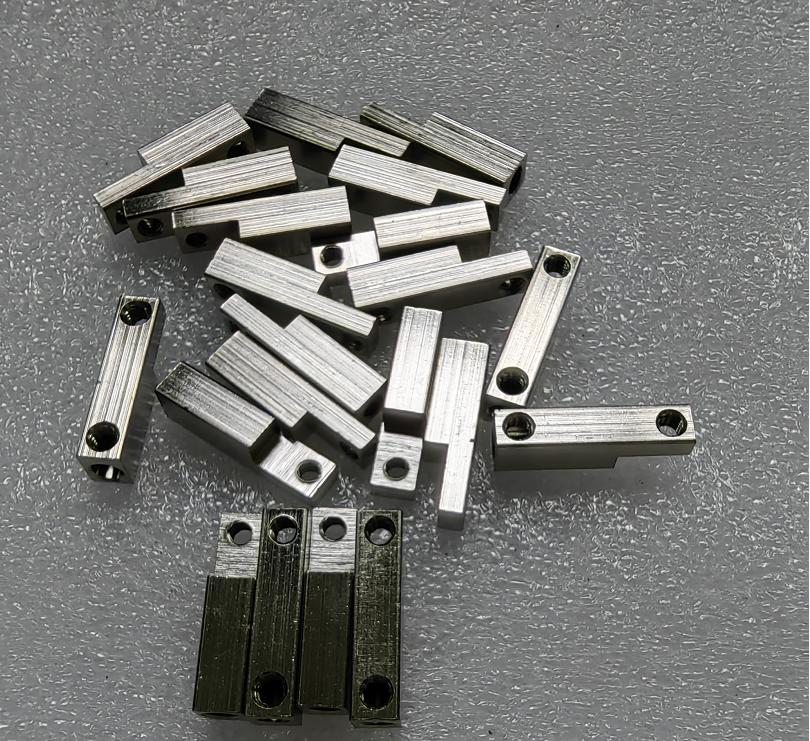
A Screw Terminal For Electricity Meter is a critical component used in energy metering systems to establish secure electrical connections between wires and the meter assembly. These terminals are designed to provide stable conductivity while maintaining mechanical strength over long periods of operation.
One of the primary advantages of screw terminals is their secure fastening mechanism. By tightening the screw against the conductor, the terminal creates strong contact pressure, reducing electrical resistance and minimizing the risk of loose connections. This is especially important in electricity meters, where stable current transmission directly affects measurement accuracy and operational reliability.
Modern Screw Terminal For Electricity Meter products are commonly manufactured from brass or copper alloys because of their excellent electrical conductivity and corrosion resistance. These materials ensure efficient current transfer while maintaining structural integrity under continuous electrical load.
Electrical meters often operate for many years without interruption, requiring terminal systems that can withstand vibration, thermal expansion, and repeated maintenance. Screw terminals are highly durable and capable of maintaining secure wire retention even in demanding operating conditions.
Another key benefit is installation flexibility. Screw terminals allow technicians to connect and disconnect wires easily during installation, maintenance, or system upgrades. This makes them highly practical for utility companies, industrial facilities, and residential electrical systems.
In modern smart metering systems, Screw Terminal For Electricity Meter designs are becoming more compact and precise while still maintaining high current-carrying capacity. Advanced manufacturing technologies ensure consistent dimensions and reliable performance across large-scale electrical networks.
Surface Plating Technology and Cage Terminal Performance
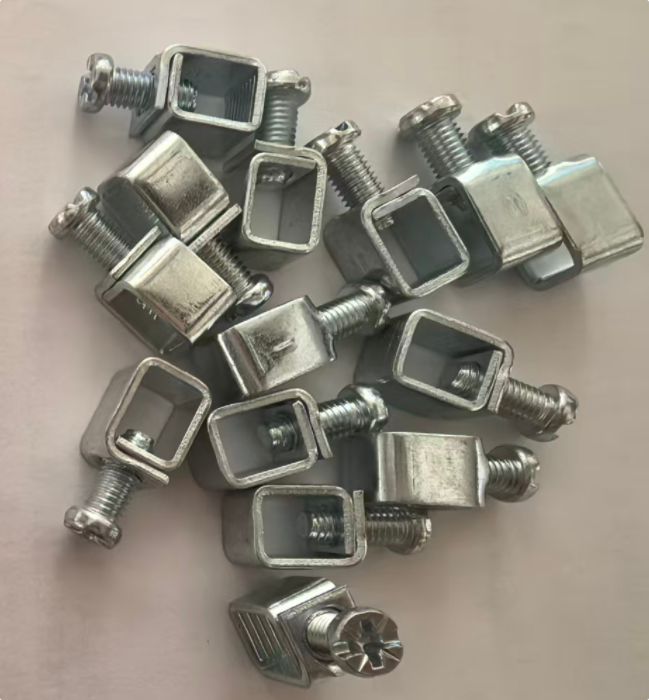
Surface treatment plays a major role in the durability and conductivity of electrical terminals. Products such as Sn/Zn/Ni Plated Electrical Cage Terminal are specifically engineered to enhance corrosion resistance, improve conductivity, and increase operational lifespan.
The term Sn/Zn/Ni refers to tin, zinc, and nickel plating technologies commonly applied to electrical terminals. Each plating material offers specific performance advantages depending on the application environment.
Tin plating provides excellent conductivity and oxidation resistance. It also improves solderability and ensures low contact resistance, making it ideal for electrical connectors and terminals exposed to humid environments.
Zinc plating primarily enhances corrosion resistance by protecting the underlying metal from environmental damage. This is especially useful in industrial and outdoor applications where electrical components may be exposed to moisture, chemicals, or varying temperatures.
Nickel plating offers high hardness, wear resistance, and thermal stability. In Sn/Zn/Ni Plated Electrical Cage Terminal systems, nickel coatings help maintain mechanical strength while improving resistance to oxidation and abrasion.
Cage terminals themselves are designed to provide secure clamping force on conductors. Unlike traditional screw-only systems, cage terminals use spring-based pressure mechanisms that maintain constant contact pressure even when vibration or thermal expansion occurs. This improves long-term reliability and reduces maintenance requirements.
The combination of advanced plating and cage terminal technology ensures stable electrical performance in high-demand applications such as industrial automation, switchgear systems, renewable energy equipment, and power distribution panels.
Another important advantage of Sn/Zn/Ni Plated Electrical Cage Terminal products is their ability to support repeated wire insertion and removal without losing clamping performance. This makes them suitable for modular electrical systems that require flexibility and frequent maintenance.
Terminal Blocks and Their Role in Electrical Distribution
Terminal Blocks are among the most widely used connection components in electrical systems. They provide organized, secure, and efficient methods for connecting multiple electrical circuits within control panels, distribution boards, and industrial equipment.
One of the main functions of terminal blocks is circuit organization. By grouping wire connections into clearly separated terminals, they simplify installation, troubleshooting, and maintenance processes. This organized structure improves electrical safety and reduces the risk of incorrect wiring.
Modern Terminal Blocks are designed to handle different voltage levels, current capacities, and environmental conditions. They are available in screw-type, spring-clamp, and cage-clamp configurations to meet the needs of various industrial and commercial applications.
A significant advantage of terminal blocks is their modularity. Electrical systems can be expanded or modified easily by adding or replacing terminal modules without redesigning the entire wiring structure. This flexibility is especially valuable in industrial automation and control systems where equipment configurations frequently change.
High-quality terminal blocks are typically manufactured using flame-retardant insulating materials combined with conductive metal inserts such as brass or copper alloys. This combination ensures both electrical safety and efficient conductivity.
In power distribution systems, Terminal Blocks help manage complex wiring networks while maintaining stable current flow. They are commonly used in control cabinets, PLC systems, switchboards, HVAC systems, renewable energy installations, and industrial machinery.
Environmental durability is another critical feature. Many terminal blocks are designed to resist vibration, moisture, dust, and extreme temperatures. This ensures reliable operation in harsh industrial environments.
As industries adopt smart manufacturing and automation technologies, terminal blocks continue to evolve with more compact designs, higher current capacities, and improved connection reliability. Advanced safety features such as touch-proof designs and integrated testing points are also becoming increasingly common.
Future Trends in Electrical Terminal Technology
The electrical industry is rapidly advancing toward more intelligent, efficient, and sustainable systems. This evolution is driving innovation in products such as Screw Terminal For Electricity Meter, Sn/Zn/Ni Plated Electrical Cage Terminal, and Terminal Blocks.
Smart grids, renewable energy systems, electric vehicles, and industrial automation all require highly reliable electrical connections capable of handling increased power density and complex control systems.
Manufacturers are focusing on developing terminals with improved conductivity, reduced contact resistance, and enhanced thermal management. Advanced plating technologies and precision manufacturing processes are helping improve long-term reliability while reducing maintenance requirements.
Miniaturization is another important trend. Modern electrical systems require compact components that can deliver high performance within limited installation space. As a result, terminal blocks and cage terminals are becoming smaller while maintaining high current-carrying capacity.
Sustainability is also influencing terminal manufacturing. Recyclable materials, energy-efficient production methods, and environmentally friendly plating technologies are becoming more important across the industry.
Conclusion
Products such as Screw Terminal For Electricity Meter, Sn/Zn/Ni Plated Electrical Cage Terminal, and Terminal Blocks are fundamental components in modern electrical infrastructure. They provide reliable electrical conductivity, secure wire connections, and long-term operational stability across a wide range of industrial, commercial, and residential applications.
With advancements in plating technology, connection systems, and manufacturing precision, modern terminals and terminal blocks continue to improve electrical safety, efficiency, and durability. As global energy systems become increasingly advanced and interconnected, these components will remain essential for ensuring reliable power distribution and electrical performance.
Post time: May-22-2026