

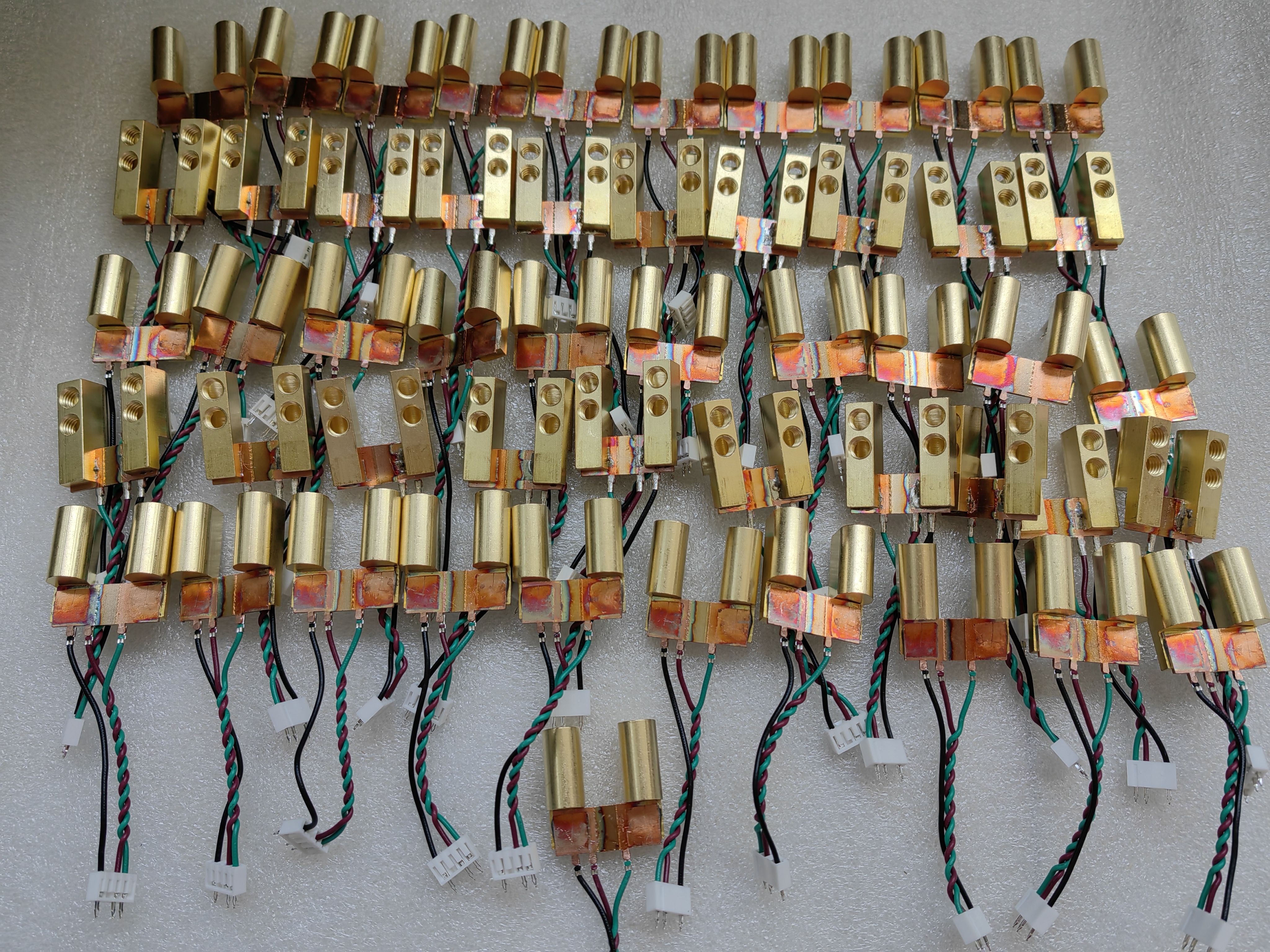
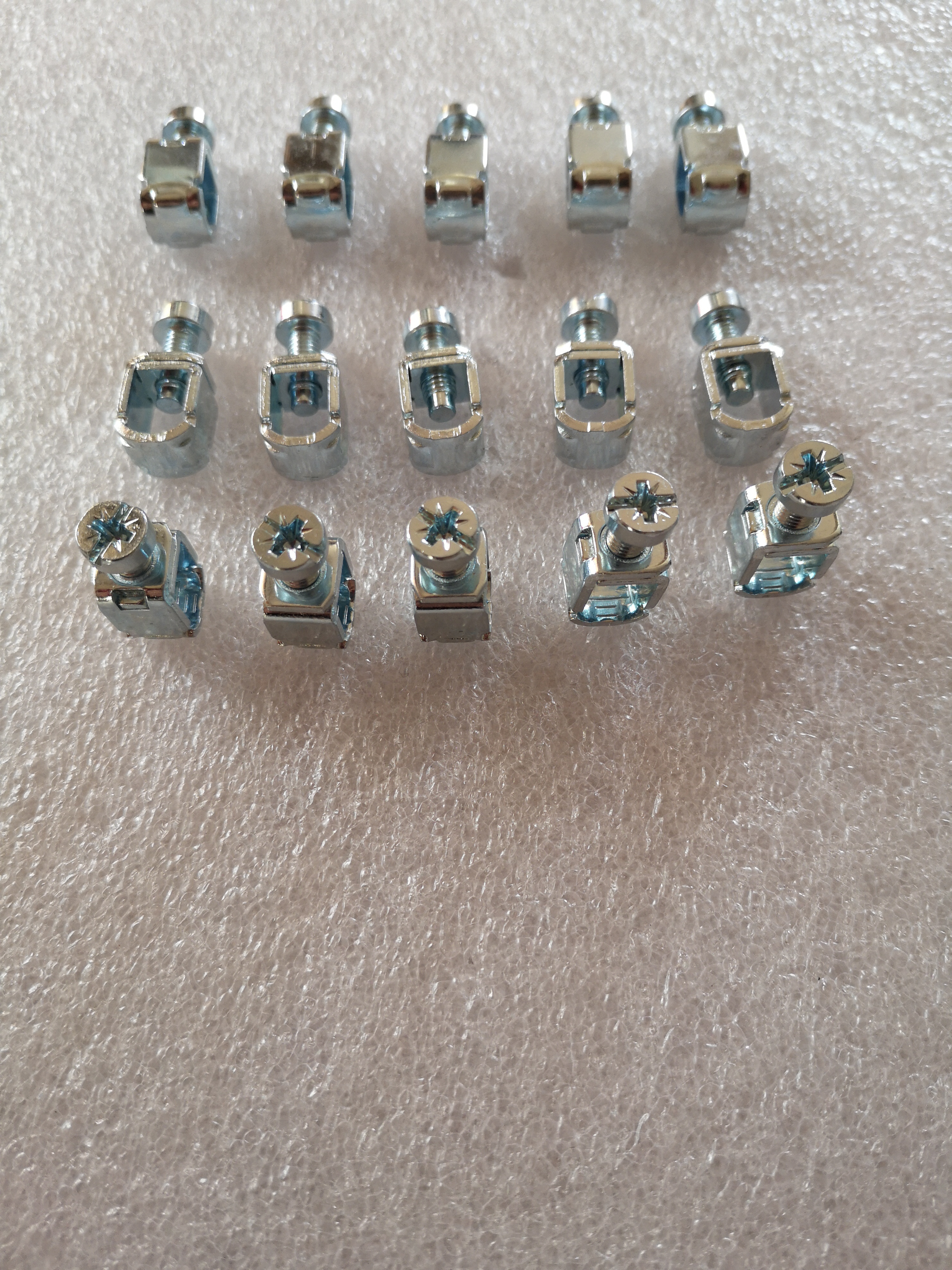
In the modern electrical and electronics industry, terminals play a critical role in ensuring reliable conductivity, safe power transmission, and durable electrical connections. Among various materials used in electrical components, brass has become one of the most preferred choices because of its excellent conductivity, corrosion resistance, and mechanical strength. Products such as Brass Terminal, Copper Brass Terminal, and Electrical Meter Brass Terminal are widely used across industrial, commercial, and residential electrical systems.
Brass terminals are essential in switchgear, electrical meters, circuit breakers, transformers, and distribution panels because they provide secure and long-lasting electrical connectivity. Their combination of copper and zinc offers both conductivity and durability, making them ideal for demanding electrical environments.
Advantages and Material Properties of Brass Terminals
The popularity of Brass Terminal products comes from the unique characteristics of brass as an engineering material. Brass combines high electrical conductivity with excellent resistance to corrosion, making it highly suitable for electrical and electronic applications.
One of the major advantages of brass terminals is their conductivity. While pure copper is known for superior conductivity, brass provides an effective balance between electrical performance and structural strength. This makes Copper Brass Terminal products especially valuable in systems where both conductivity and mechanical durability are required.
Corrosion resistance is another key benefit. Electrical systems are often exposed to humidity, dust, and environmental contaminants that can affect performance over time. Brass naturally resists oxidation and corrosion, ensuring stable electrical connections even in challenging operating conditions. This durability extends the service life of electrical equipment and reduces maintenance requirements.
Another important property of Brass Terminal components is machinability. Brass is easy to machine, drill, thread, and shape into precise terminal designs. Manufacturers can produce customized terminals with high dimensional accuracy, ensuring compatibility with various electrical devices and wiring systems.
In addition, brass offers excellent thermal conductivity and heat resistance. Electrical terminals can generate heat due to current flow, especially in high-load systems. Brass efficiently dissipates heat, reducing the risk of overheating and improving operational safety.
Applications of Copper Brass and Electrical Meter Brass Terminals
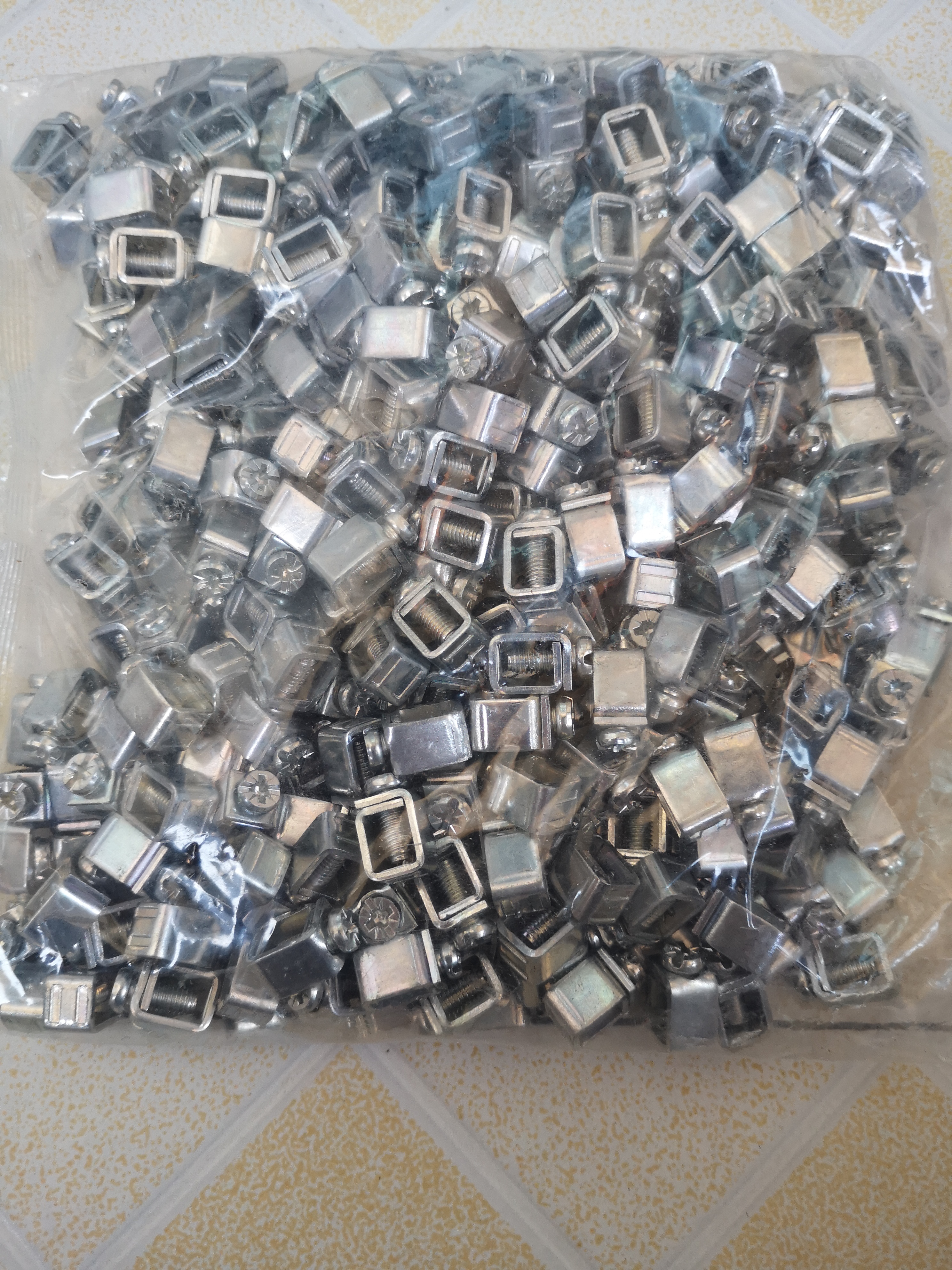
The application range of Copper Brass Terminal products is extremely broad, covering industries such as power distribution, electronics manufacturing, telecommunications, automotive systems, and industrial automation.
In power distribution systems, brass terminals are widely used in switchboards, control panels, and circuit breakers. Their reliable conductivity ensures stable current transfer while their mechanical strength allows secure fastening of cables and connectors. This is particularly important in high-voltage and high-current environments where loose connections can lead to power loss or safety hazards.
Electrical Meter Brass Terminal components are especially important in energy metering systems. Electrical meters require highly reliable terminal connections to ensure accurate current measurement and stable long-term performance. Brass terminals are commonly used in single-phase and three-phase electric meters because they maintain conductivity even after years of continuous use.
The automotive industry also relies heavily on Brass Terminal technology. Vehicles contain complex electrical systems involving batteries, sensors, lighting systems, and control modules. Brass terminals provide stable electrical connections while resisting vibration, heat, and corrosion in harsh automotive environments.
In telecommunications and electronic devices, Copper Brass Terminal products help maintain signal integrity and efficient current transmission. Their precision manufacturing ensures secure connectivity in compact and sensitive electronic assemblies.
Industrial automation systems also depend on Electrical Meter Brass Terminal components for safe and efficient operation. Factories and manufacturing facilities use large electrical networks where reliable terminal connections are essential for uninterrupted performance and equipment safety.
Manufacturing Standards and Performance Requirements
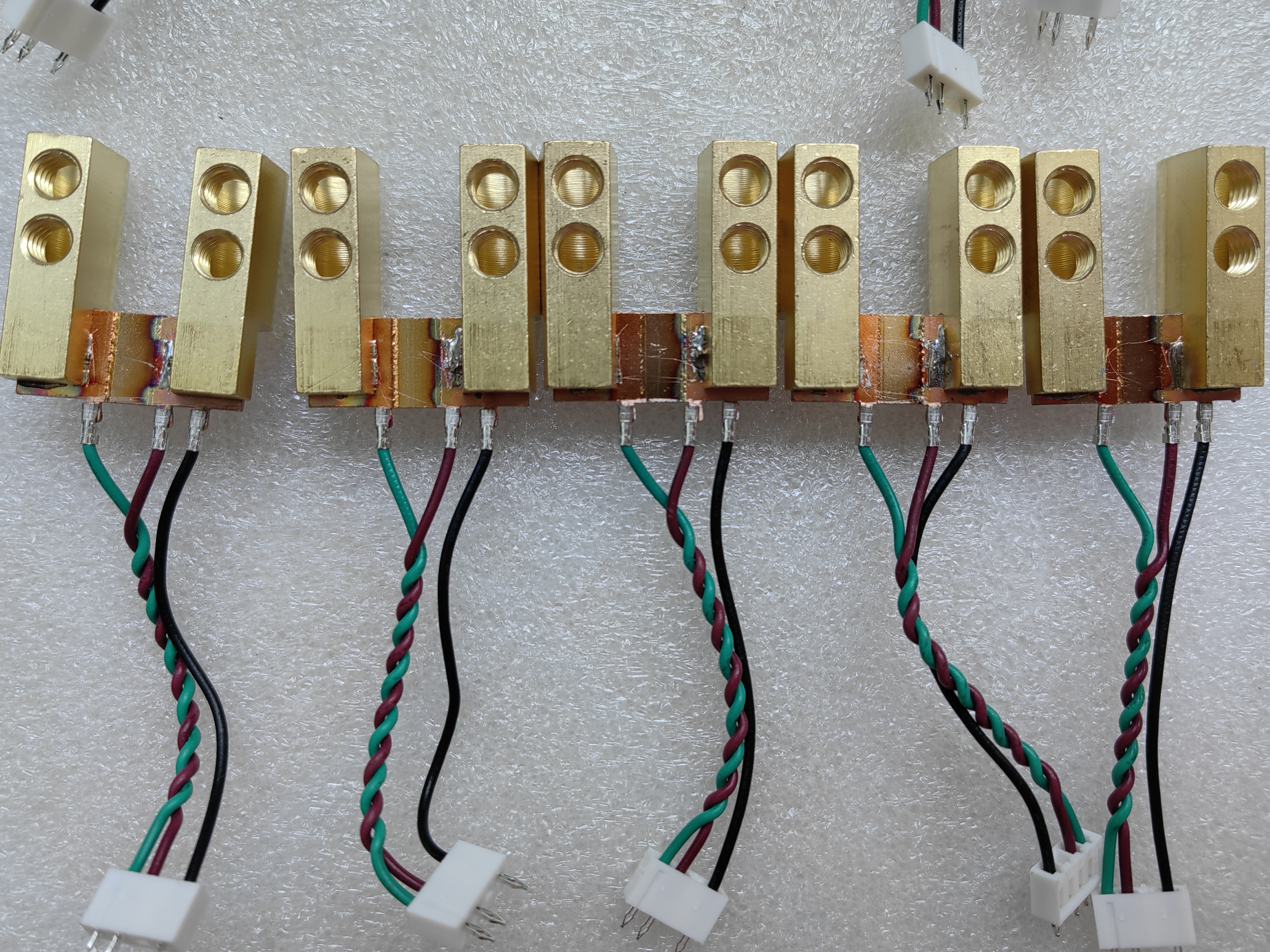
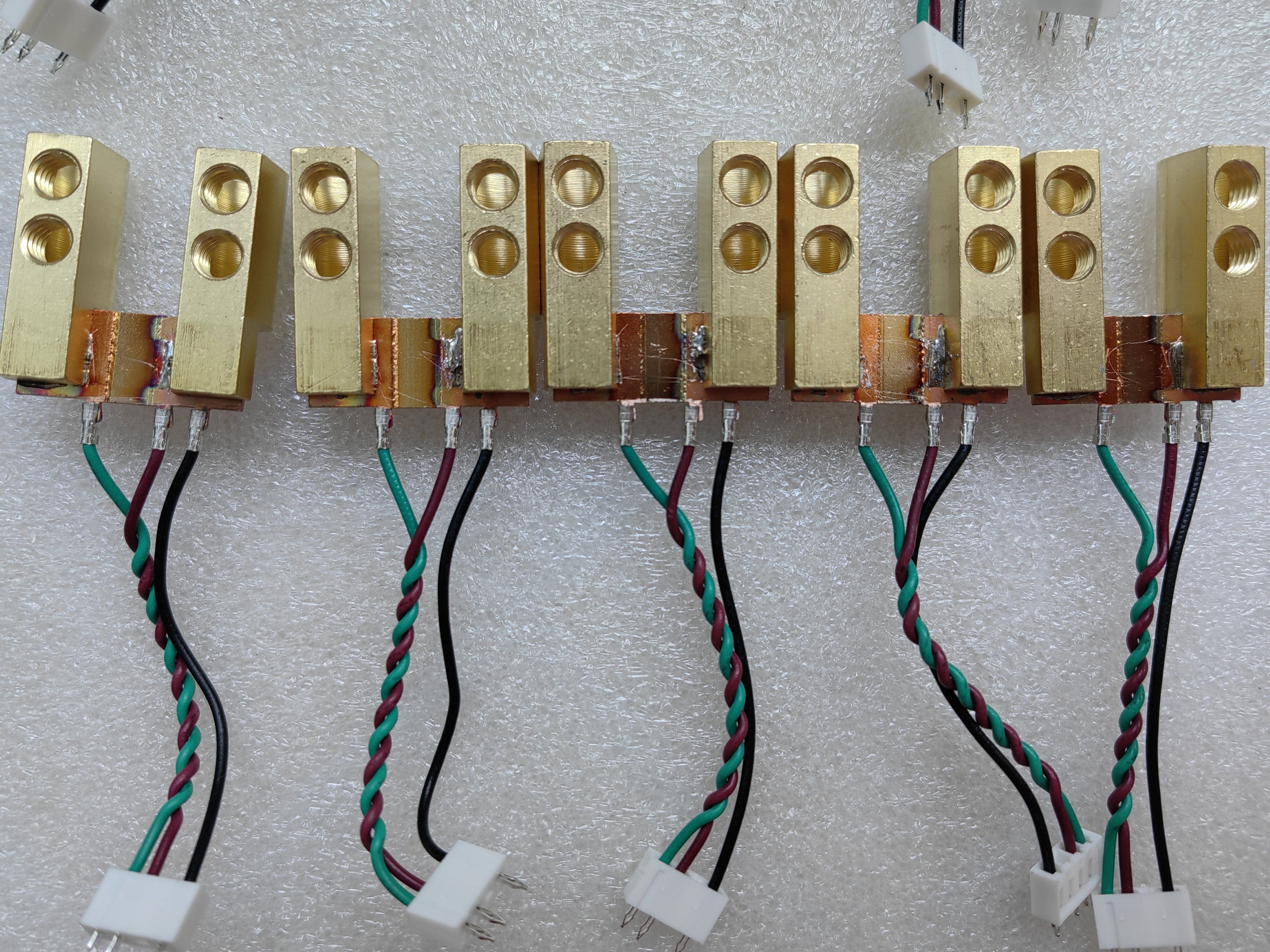
The manufacturing quality of Brass Terminal products directly affects electrical performance and safety. As a result, manufacturers follow strict engineering standards to ensure consistency, reliability, and durability.
The production process usually begins with high-quality brass rods or copper-brass alloy materials. Advanced CNC machining and precision forming technologies are used to produce terminals with exact dimensions and smooth surface finishes. This precision ensures secure installation and reduces electrical resistance at connection points.
Surface treatment is another critical factor in Copper Brass Terminal manufacturing. Many terminals are plated with tin, nickel, or silver to improve conductivity and corrosion resistance. Tin-plated brass terminals are especially common in electrical applications because they prevent oxidation and improve solderability.
For Electrical Meter Brass Terminal products, mechanical strength is particularly important. Electrical meters often operate continuously for many years, requiring terminals that can withstand repeated tightening, vibration, and thermal expansion without losing connection integrity.
Testing and quality control are essential parts of terminal manufacturing. Brass terminals undergo conductivity testing, tensile strength testing, corrosion resistance testing, and dimensional inspections to ensure compliance with international electrical standards.
Environmental sustainability is also becoming increasingly important in the brass terminal industry. Brass is highly recyclable, making Brass Terminal products environmentally friendly compared to many alternative materials. Recycled brass maintains excellent mechanical and electrical properties, helping manufacturers reduce material waste and energy consumption.
Future Trends in Brass Terminal Technology
As electrical systems become more advanced, the demand for high-performance terminal solutions continues to grow. Smart grids, renewable energy systems, electric vehicles, and industrial automation all require reliable electrical connectivity.
Future Copper Brass Terminal designs are expected to focus on higher conductivity, miniaturization, and improved thermal management. With increasing energy efficiency requirements, manufacturers are developing precision-engineered terminals capable of handling higher current loads with minimal energy loss.
The growth of smart metering systems is also driving innovation in Electrical Meter Brass Terminal manufacturing. Modern smart meters require compact, highly reliable terminal components capable of supporting digital monitoring and long-term operational stability.
Automation and CNC manufacturing technologies are further improving production accuracy and efficiency. These advancements allow manufacturers to produce customized brass terminal solutions for specialized industrial applications while maintaining consistent quality.
Products such as Brass Terminal, Copper Brass Terminal, and Electrical Meter Brass Terminal are essential components in modern electrical systems. Their excellent conductivity, corrosion resistance, mechanical strength, and durability make them ideal for a wide range of industrial and commercial applications.
From electrical meters and switchgear to automotive systems and industrial automation, brass terminals provide safe, reliable, and long-lasting electrical connections. With continuous advancements in manufacturing technology and increasing demand for efficient power systems, brass terminals will remain a critical part of the global electrical industry for years to come.
Post time: May-22-2026