

As electricity metering technology continues to develop, modern meters require reliable components for measurement, communication, load control, and power switching. Relays are particularly important in smart electricity meters because they can provide controlled switching between the meter and the connected electrical load. Among the different relay technologies available today, Smart Meter Relay, Latching Relay, and Magnetic Latching Relay are widely considered for applications that require reliable switching with controlled power consumption.
A relay is an electrically operated switching component. It allows a low-power control circuit to control a separate electrical circuit through mechanical contacts or other switching technology. In an electricity meter, the relay may be used to control the connection or disconnection of a customer’s load, depending on the meter architecture and utility requirements.
A conventional relay generally requires continuous coil energization to maintain its operating state. A latching relay works differently. It uses a pulse to set or reset the relay, and the relay can maintain its state after the driving voltage is removed. This operating principle can reduce the amount of energy required by the coil during the time the contacts remain in the selected state.
For this reason, latching technology is particularly relevant to electricity meters, where low internal power consumption, compact construction, reliable switching, and long operating life are important design considerations. Manufacturers such as OMRON list power latching relays specifically for smart meter applications, including high-current switching models.
What Is a Smart Meter Relay and How Does It Work?
A Smart Meter Relay is a relay designed or selected for use in smart electricity meters and related energy-management equipment. Its main function is to provide controlled switching within the meter system. Depending on the design, the relay can be used for load switching, supply control, alarm-related functions, or other electrical control operations.
Smart meters combine traditional energy measurement with electronic processing and communication. The meter can collect electrical information and communicate with external systems, while a relay can provide a physical switching function when required.
For example, a utility may use a smart meter system that includes a remotely controlled load-switching function. The control electronics send an appropriate signal to the relay, causing the relay contacts to change state. The relay then remains in the required position according to its design.
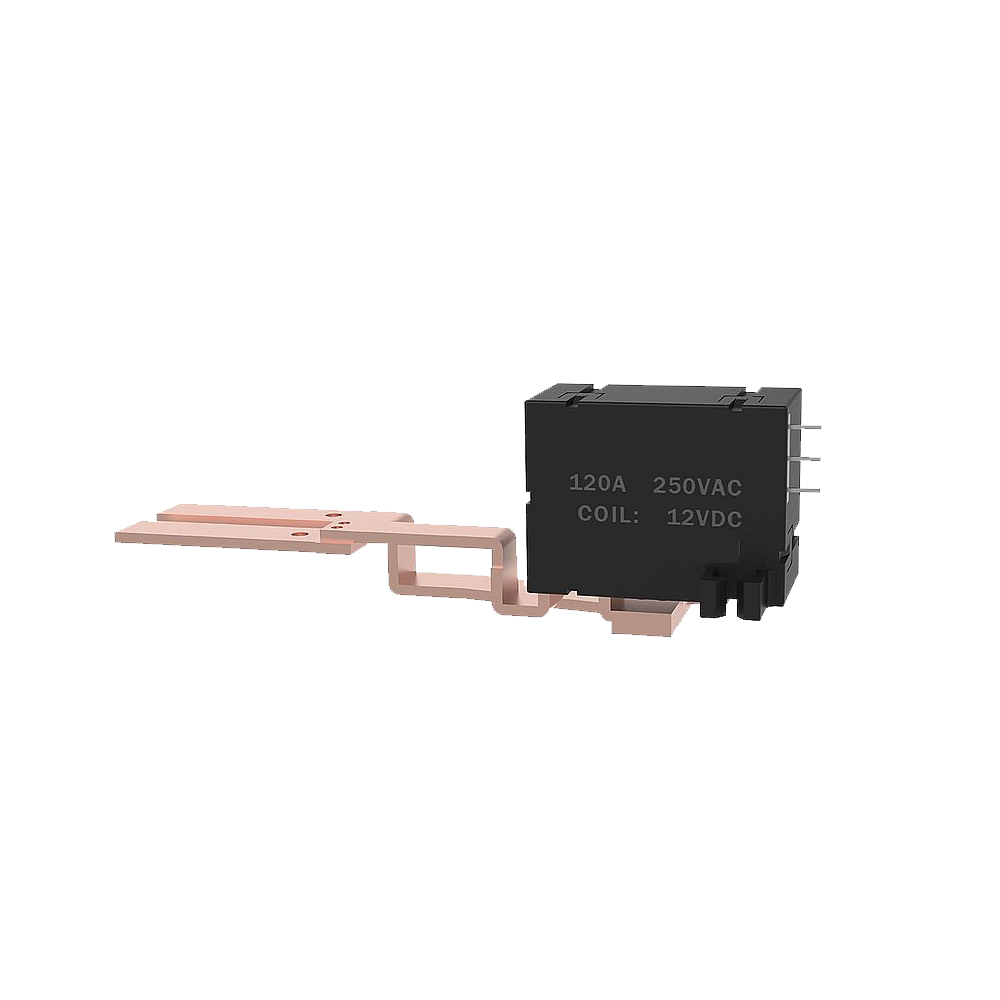
Why Latching Technology Is Suitable for Smart Meters
A Latching Relay is designed to maintain its set or reset condition after the driving pulse has ended. According to OMRON’s relay documentation, latching relays can maintain their set or reset status after the input voltage is interrupted until an opposing input is received. They can use either magnetic or mechanical holding mechanisms, with single- or double-winding configurations.
This characteristic can be useful in smart meters because the relay does not necessarily need continuous coil power simply to maintain its switching position.
For a conventional relay, maintaining the ON position may require continuous current through the coil. A latching relay, by contrast, can use a short pulse to change its state and then stop consuming coil power while maintaining that state.
This can be especially useful in equipment where internal power consumption is an important consideration. Latching relays are also used in other energy-related equipment, including PV inverters and EV charging systems.
Single-Winding and Double-Winding Latching Relays
Latching relays can be designed with different coil configurations. A single-winding design can use different input polarity or pulse conditions for set and reset operations, while a double-winding design normally provides separate set and reset coils.
The appropriate design depends on the control circuit of the electricity meter. The relay coil voltage, pulse duration, polarity, contact arrangement, and control circuitry must all be compatible with the meter’s electronic design.
For manufacturers, this means relay selection should be performed together with the design of the meter control circuit rather than treating the relay as an isolated component.
Why Is a Magnetic Latching Relay Important for Energy Meters?
A Magnetic Latching Relay uses magnetic force to maintain the contact position after the switching pulse has ended. This type of relay can be particularly useful when a meter needs to maintain a switching state without continuously energizing the coil.
The magnetic holding principle is one of the recognized mechanisms used in latching relays.
For electricity-meter applications, this can provide several design benefits.
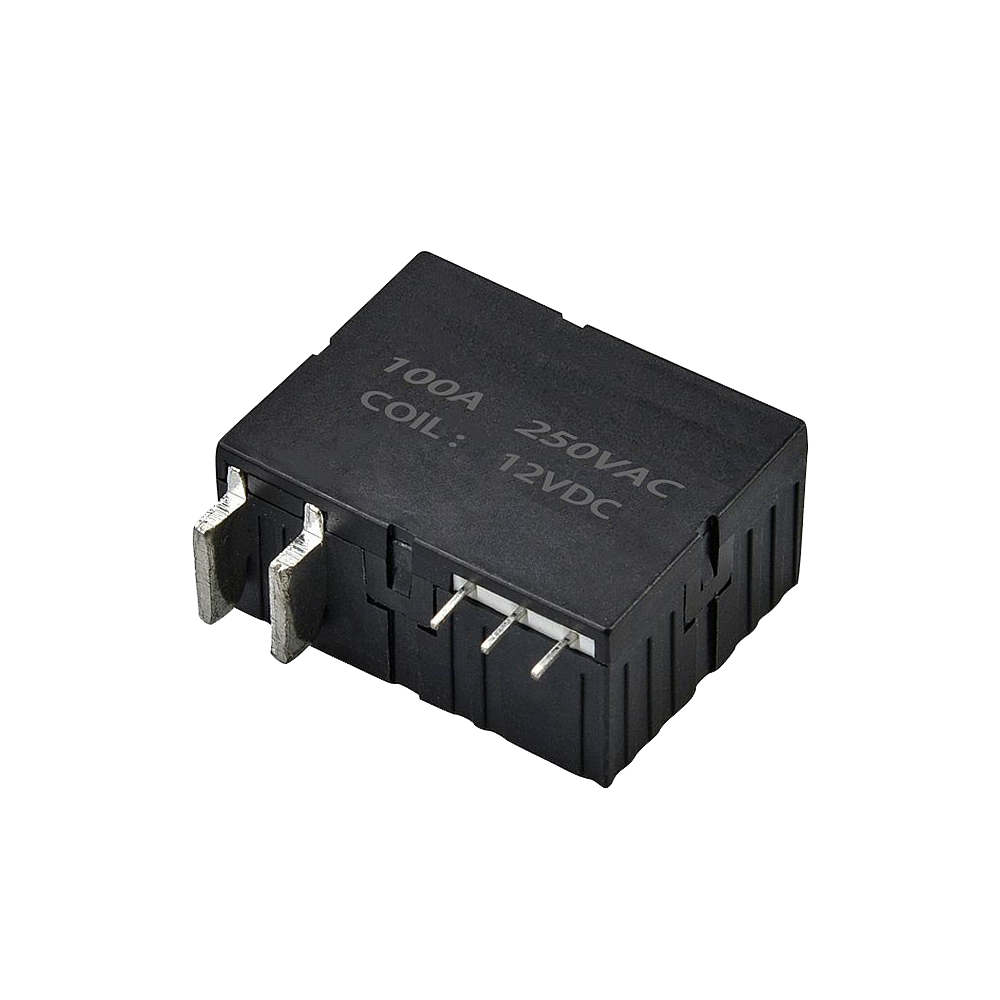
Reduced Coil Energy Consumption
One of the key characteristics of latching technology is that the coil is normally energized only during the switching operation. Once the relay reaches its set or reset position, the magnetic or mechanical holding mechanism maintains the state.
This can reduce continuous coil power consumption compared with a conventional relay that must remain energized to maintain its state. OMRON has specifically described latching relays as suitable for energy-saving applications and smart meters.
In a smart meter, reducing unnecessary internal power consumption can be valuable because the meter itself is continuously connected to the electrical system and performs measurement and communication functions.
High-Current Load Switching
An Energy Meter Relay may need to switch significant electrical loads depending on the meter design and application. Therefore, contact rating, inrush-current capability, contact resistance, temperature rise, and electrical endurance are important specifications.
For example, OMRON’s G9TA series is described as a 60 A high-power latching relay with smart meter applications, while its G9TB series is designed for high-power switching up to 120 A at specified conditions. These are examples of commercially available relay designs rather than universal requirements for all energy meters.
The required rating for a particular meter should always be determined from its electrical design, load characteristics, applicable standards, and operating conditions.
Compact Meter Design
Modern smart meters often need to integrate measurement circuits, communication modules, power supplies, displays or indicators, protection components, and switching components into a relatively compact enclosure.
A compact relay can therefore help manufacturers use available internal space efficiently. Some power latching relays are specifically designed to combine high switching capacity with relatively compact dimensions.
The physical dimensions of the relay, terminal arrangement, mounting method, coil location, and contact configuration should be considered during the early stages of meter design.
Long-Term Switching Reliability
Electricity meters can remain installed for many years, so the switching component needs to be selected according to the expected number of operations and electrical load.
Contact material, contact resistance, coil characteristics, switching frequency, inrush current, load type, ambient temperature, and mechanical endurance can all influence relay performance.
For manufacturers, it is therefore important to evaluate the complete relay specification instead of selecting a component based only on nominal current.
How to Choose the Right Electrical Relay for a Smart Electricity Meter?
Selecting an Electrical Relay for an electricity meter requires consideration of both electrical and mechanical characteristics. The relay must work correctly with the meter’s control electronics while also safely handling the intended load.
1. Determine the Contact Rating
The first consideration is the maximum voltage and current that the relay must switch. Buyers should evaluate both continuous current and switching current.
Certain loads can generate high inrush currents when initially energized. Therefore, the relay should be evaluated against the actual load profile rather than only the normal operating current.
Some latching relay products designed for smart meters are specifically engineered for high-current switching and inrush conditions.
2. Select the Appropriate Latching Configuration
The control circuit determines whether a single-winding or double-winding latching relay is appropriate.
A single-winding relay may provide a simpler physical structure, while a double-winding relay provides separate set and reset inputs. The choice depends on the meter’s electronic architecture and control requirements.
The coil voltage must also match the available control voltage. Incorrect coil voltage or polarity can cause improper operation.
3. Consider Contact Resistance and Temperature Rise
Contact resistance is another important parameter in high-current electricity-meter applications. Excessive resistance can result in additional power loss and heat generation.
The relay’s temperature-rise characteristics should therefore be evaluated under the intended load. Some high-power latching relay designs specifically emphasize low temperature rise and low contact resistance.
4. Evaluate Electrical and Mechanical Endurance
The expected operating frequency should be considered when selecting an Energy Meter Relay. A relay used for occasional remote load switching may have different requirements from a relay that operates frequently.
Electrical endurance describes the relay’s ability to perform switching under an electrical load, while mechanical endurance relates to operation without the same electrical loading conditions.
Both specifications should be reviewed according to the expected service conditions.
5. Check the Installation Method
Relays can use different terminal and mounting configurations, including PCB terminals, welding terminals, and screw-type connections.
For example, commercially available smart-meter latching relays include PCB-terminal and other terminal configurations depending on the model.
The selected relay should fit the meter’s PCB layout, enclosure, insulation structure, and production process.
6. Consider Safety and Applicable Standards
Because electricity meters are directly associated with electrical distribution and customer loads, safety requirements are particularly important. The relay should be evaluated according to the applicable electrical, insulation, switching, and environmental requirements for the target market.
Manufacturers should also consider creepage and clearance, dielectric strength, insulation resistance, contact spacing, flame resistance, and other relevant specifications.
7. Check Environmental Conditions
The operating environment can influence relay performance. Temperature, humidity, dust, vibration, and installation location should be considered during component selection.
For outdoor or harsh-environment meter installations, the relay’s environmental specifications should be compatible with the meter enclosure and expected service conditions.
Overall, a Smart Meter Relay is an important switching component in modern electricity-meter systems. The use of a Latching Relay can allow the relay to maintain its set or reset state without continuously energizing the coil, while a Magnetic Latching Relay uses magnetic holding to maintain its switching position. These characteristics make latching relay technology suitable for various smart-meter and energy-management applications.
For meter manufacturers, selecting an Energy Meter Relay requires careful consideration of contact rating, inrush current, coil voltage, latching configuration, contact resistance, temperature rise, endurance, dimensions, terminal type, insulation, and environmental conditions.
A properly selected Electrical Relay can provide reliable switching between the meter control circuit and the connected electrical load. As smart electricity meters continue to integrate measurement, communication, remote management, and load-control functions, reliable relay technology remains an important part of the overall meter design.
Post time: Sep-23-2026