

Reliable electrical connections are essential for ensuring the safety, stability, and efficiency of modern electrical equipment. As a key connection component, brass terminal plays an important role in current transmission, wiring protection, and electrical system integration. Selecting the right terminal material, structure, and specification can significantly improve the performance and service life of electrical connection systems.
Compared with ordinary metal terminals, a high-quality brass terminal provides excellent conductivity, mechanical strength, corrosion resistance, and machining performance. It is widely used in terminal blocks, control systems, industrial equipment, power distribution devices, and electronic products.
For manufacturers and engineers, choosing the appropriate brass terminal requires consideration of material quality, terminal design, application requirements, and supplier capability.
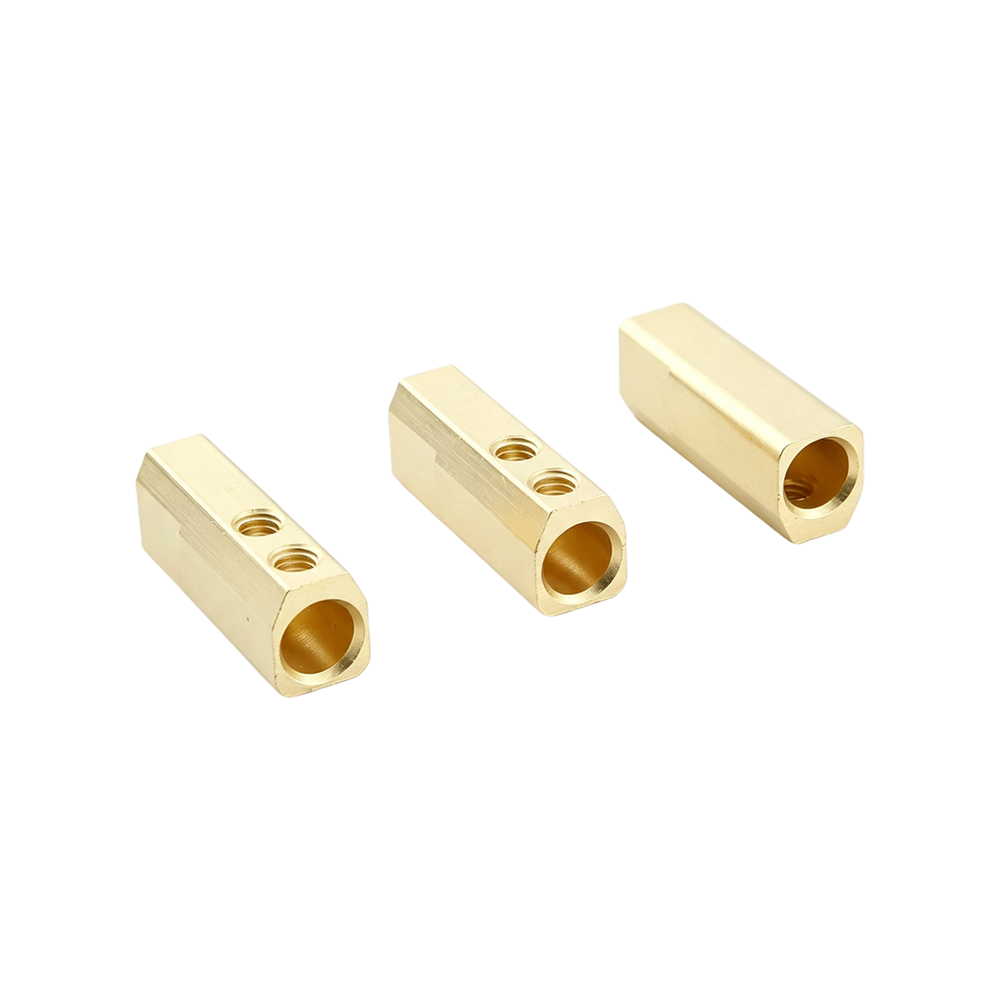
What Is a Brass Terminal?
A brass terminal is an electrical connection component made primarily from brass alloy, which is commonly composed of copper and zinc. It is designed to provide a reliable connection point between wires, cables, and electrical circuits.
Due to the excellent electrical and mechanical properties of brass, this type of terminal can maintain stable conductivity while providing strong structural support during installation and operation.
In electrical connection systems, a brass terminal is often integrated into different types of terminal blocks(https://www.maliotech.com/terminal/), allowing multiple wires to be safely connected and organized.
|
Component |
Function |
|
Brass Terminal |
Provides electrical contact and current transmission |
|
Insulating Housing |
Protects against short circuits and improves safety |
|
Screw or Clamp Structure |
Fixes wires securely |
|
Connection Interface |
Links electrical circuits together |
Why Choose Brass Terminal for Electrical Connection Systems?
Excellent Conductivity of Brass Terminal
One of the main reasons for choosing a brass terminal is its excellent electrical conductivity. Brass provides efficient current transmission while maintaining good mechanical strength.
Compared with some alternative materials, brass offers a balanced combination of conductivity, durability, and cost efficiency, making it suitable for various electrical connection applications.
Strong Mechanical Performance of Brass Terminal
Electrical terminals must withstand repeated installation, vibration, and environmental changes. A high-quality brass terminal provides strong mechanical stability, ensuring reliable wire fixation and reducing the risk of loose connections.
Corrosion Resistance and Long Service Life of Brass Terminal
Brass has good resistance to corrosion, which helps maintain stable electrical performance in different working environments.
This advantage makes brass terminals suitable for:
|
Application Environment |
Benefit |
|
Industrial Equipment |
Stable operation under continuous use |
|
Power Distribution Systems |
Reliable electrical connection |
|
Control Cabinets |
Long-term wiring stability |
|
Electronic Devices |
Compact and durable connection |
How to Select the Right Brass Terminal?
Choosing the correct brass terminal requires evaluating several important factors, including electrical requirements, mechanical structure, and application conditions.
Consider Current Capacity and Electrical Requirements
The rated current is one of the most important factors when selecting a terminal. A suitable brass terminal should support the required current level without excessive heat generation.
Engineers should consider:
|
Selection Factor |
Importance |
|
Rated Current |
Ensures safe current transmission |
|
Voltage Rating |
Matches system requirements |
|
Contact Resistance |
Affects electrical efficiency |
|
Temperature Rise |
Influences operating reliability |
Choose the Suitable Terminal Structure
Different applications require different terminal designs. For example, screw-type structures are commonly used because they provide secure wire fixation and easy maintenance.
A brass screw terminal connector is designed with a screw fastening system that creates strong contact pressure between the wire and terminal, improving connection reliability.
Common structures include:
|
Terminal Type |
Features |
|
Screw Terminal |
Easy installation and secure wire fixing |
|
Spring Terminal |
Quick connection and vibration resistance |
|
PCB Terminal |
Suitable for circuit board applications |
|
Barrier Terminal |
Used for industrial wiring systems |
Brass Terminal Used in Terminal Blocks
A brass terminal is an essential internal component of many electrical connection products. In terminal blocks, brass terminals are responsible for conducting electrical current and maintaining stable connections between different wires.
The combination of brass conductive parts and insulated housings creates a safe and efficient wiring solution.
The performance of a Terminal Block largely depends on:
- Brass material quality
- Contact structure design
- Manufacturing precision
- Surface treatment technology
A professional custom terminal block manufacturer can provide customized solutions according to different wire sizes, current requirements, and installation environments.
Advantages of Customized Brass Terminal Design
Different industries may require different terminal dimensions, structures, and connection methods. Customized solutions allow manufacturers to optimize products for specific applications.
A customized brass terminal can be designed according to:
|
Customization Item |
Description |
|
Size |
Customized terminal dimensions |
|
Material |
Different brass alloy options |
|
Surface Treatment |
Improved corrosion resistance |
|
Structure |
Designed for specific connection methods |
|
Packaging |
Suitable for mass production requirements |
Working with an experienced custom terminal block manufacturer helps customers achieve better product compatibility and production efficiency.
Applications of Brass Terminal in Electrical Systems
Due to its excellent conductivity and durability, brass terminal is widely applied in many electrical connection systems.
|
Application |
Function |
|
Industrial Control Equipment |
Provides stable wiring connections |
|
Power Distribution Systems |
Supports safe electrical transmission |
|
Automation Equipment |
Ensures reliable signal and power connections |
|
Electronic Devices |
Enables compact circuit connections |
|
Energy Equipment |
Maintains efficient current flow |
In these applications, selecting a suitable brass terminal helps improve equipment safety, performance, and service life.
How to Choose a Reliable Brass Terminal Supplier?
Selecting a professional supplier is essential for ensuring product quality and consistent supply.
A reliable brass terminal supplier should provide:
- High-quality brass materials
- Precision manufacturing processes
- Strict quality inspection
- Custom design capability
- Stable production capacity
The supplier should also have experience producing different types of terminals, including standard products and customized electrical connection solutions.
Shanghai Malio Industrial Ltd., headquartered in Shanghai, China, specializes in metering components and magnetic materials. Through years of dedicated development, Malio has evolved into an industrial chain provider integrating design, manufacturing, and trading operations.
The company provides comprehensive solutions for customers in power electricity and electronics, industrial equipment, precision instruments, telecommunication, wind power, solar energy, and EV industries. With professional manufacturing experience and advanced production capabilities, Shanghai Malio Industrial Ltd. is committed to providing reliable Brass Terminal, Terminal Blocks, and customized electrical connection solutions. Contact Malio today to discuss your requirements and obtain professional support from an experienced brass terminal supplier.
FAQs About Brass Terminal
What is a Brass Terminal used for?
A Brass Terminal is used to create reliable electrical connections between wires, cables, and circuits. It is commonly used in Terminal Blocks, industrial equipment, and power distribution systems.
Why is brass commonly used for electrical terminals?
Brass provides excellent conductivity, good mechanical strength, corrosion resistance, and easy processing characteristics, making it suitable for electrical connection components.
What is the difference between Brass Terminal and ordinary terminals?
A high-quality Brass Terminal offers better conductivity and durability compared with many common metal terminals, especially in applications requiring stable electrical performance.
Can Brass Terminal be customized?
Yes. Professional manufacturers can customize dimensions, structures, materials, and surface treatments according to customer requirements.
How to choose a reliable brass terminal supplier?
Customers should consider manufacturing experience, material quality, customization capability, production capacity, and quality control systems when selecting a brass terminal supplier.
What is the role of Brass Terminal in Terminal Blocks?
In Terminal Blocks, the Brass Terminal acts as the conductive part that connects wires and ensures stable current transmission throughout the electrical system.
Post time: Aug-18-2026