

The rapid development of smart grids and intelligent power distribution systems has increased the demand for highly reliable and energy-efficient electronic components. Among these, the Magnetic Latching Relay, Magnetic Material, and High Permeability Magnetic Material play vital roles in ensuring safe switching, low power consumption, and long-term operational stability in modern electricity meters.
Unlike conventional relays, a Magnetic Latching Relay requires power only during switching, making it an ideal solution for smart meters that operate continuously for many years. Combined with advanced magnetic materials, these relays help manufacturers improve energy efficiency, reduce maintenance requirements, and meet increasingly strict international standards for smart metering equipment.
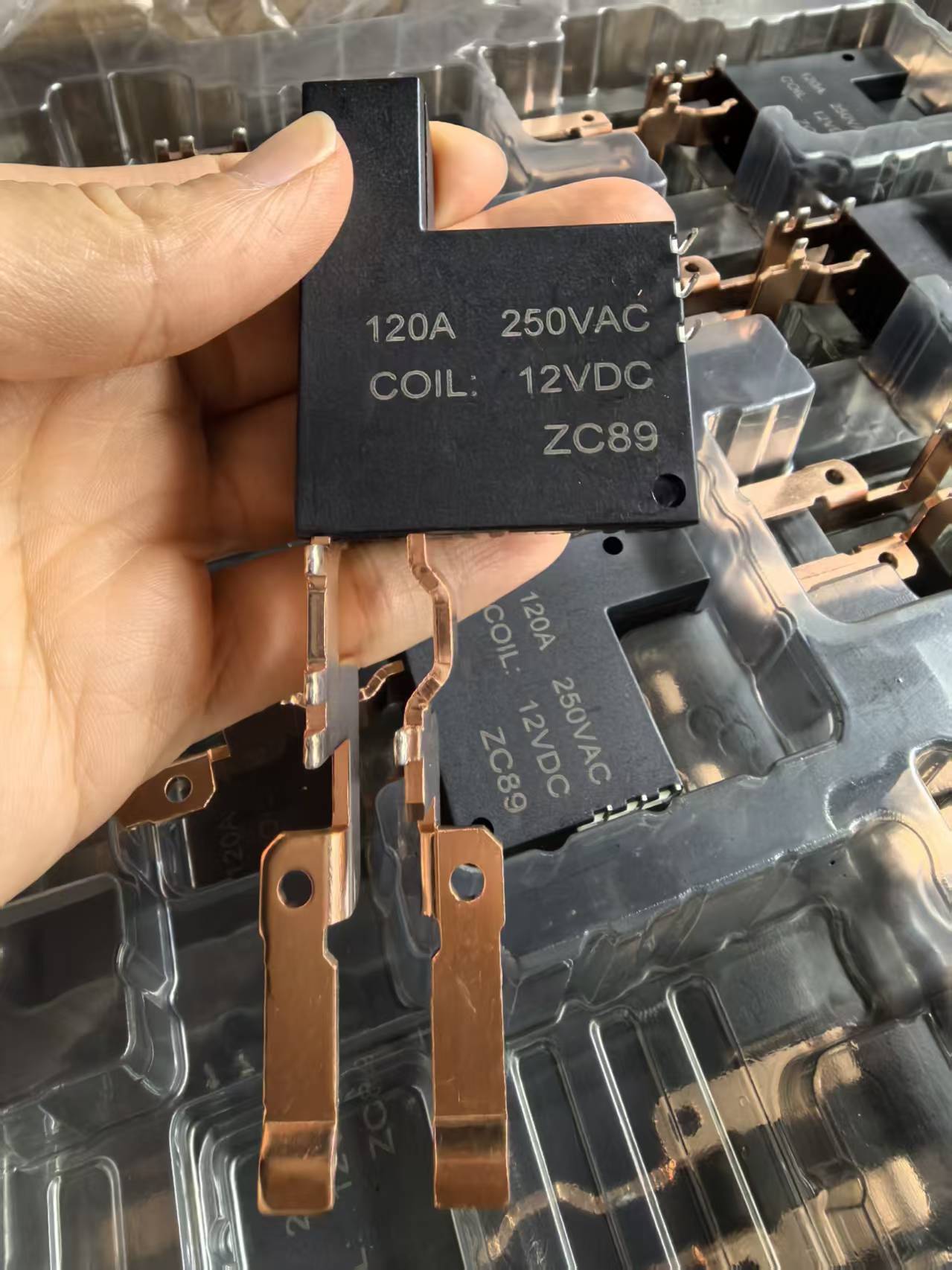
The Role of Magnetic Latching Relay in Smart Electricity Meters
A Magnetic Latching Relay is one of the most important switching components used in modern electricity meters. Unlike traditional electromagnetic relays that require continuous coil energization to maintain their position, a latching relay only consumes electricity when changing its switching state. Once switched, it remains in either the ON or OFF position without additional power.
This unique operating principle significantly reduces internal power consumption, making the Magnetic Latching Relay an essential component in smart energy meters where efficiency is a top priority. Since smart meters are designed to operate continuously for more than ten years, minimizing standby power consumption contributes directly to lower operating costs and improved system reliability.
Inside a smart electricity meter, the Magnetic Latching Relay performs several critical functions, including:
Remote connection and disconnection of electrical loads
Overload protection
Anti-tampering operations
Prepaid electricity management
Remote power control through smart grid systems
Automatic fault isolation
Its fast switching speed and excellent contact reliability ensure safe operation under various electrical loads. High mechanical endurance enables hundreds of thousands of switching cycles, making it suitable for residential, commercial, and industrial electricity metering applications.
Furthermore, the compact design of today’s Magnetic Latching Relay allows manufacturers to develop smaller, lighter, and more energy-efficient smart meters without compromising performance.
Why Magnetic Material and High Permeability Magnetic Material Matter
The performance of a Magnetic Latching Relay depends greatly on the quality of the magnetic materials used inside its magnetic circuit. Advanced Magnetic Material provides the magnetic force required for reliable switching while ensuring stable operation over long service periods.
Among these materials, High Permeability Magnetic Material offers significant advantages. High magnetic permeability allows magnetic flux to travel more efficiently through the relay’s magnetic circuit, reducing the energy required for switching while generating a stronger magnetic holding force.
By utilizing high-quality Magnetic Material, manufacturers can achieve several important benefits:
Lower switching power consumption
Faster response speed
Higher magnetic efficiency
Stronger holding force
Improved temperature stability
Longer service life
Better reliability under continuous operation
These characteristics are particularly valuable in smart electricity meters that must perform accurately under different environmental conditions such as high temperatures, humidity, and voltage fluctuations.
Advanced High Permeability Magnetic Material also helps reduce magnetic losses and improves the overall efficiency of the relay, supporting long-term stable operation throughout the lifespan of the electricity meter.
Applications of Magnetic Latching Relay in Smart Meter Technology
As smart grid technology continues to evolve, the Magnetic Latching Relay has become an indispensable component in modern electricity metering systems. Its combination of energy efficiency, remote controllability, and long operational life makes it suitable for a wide range of applications.
Typical applications include:
Remote Meter Control
Utility companies use Magnetic Latching Relay technology to remotely connect or disconnect customer power supplies without requiring on-site personnel.
Prepaid Electricity Systems
In prepaid metering, the relay automatically switches power on or off based on account balance, improving operational efficiency and reducing manual intervention.
Load Management
Smart grid operators can use the relay to perform demand-side management, balancing electrical loads during peak consumption periods.
Fault Protection
The relay enables rapid power disconnection during overloads, short circuits, or abnormal operating conditions, helping protect both electrical equipment and users.
Smart Grid Automation
As part of intelligent power distribution systems, the Magnetic Latching Relay supports automated monitoring, remote maintenance, and real-time energy management.
The continuous improvement of Magnetic Material and High Permeability Magnetic Material further enhances relay performance by reducing energy consumption, improving magnetic stability, and extending product lifespan.
The Magnetic Latching Relay has become a key component in modern smart electricity meters thanks to its low power consumption, high reliability, and remote switching capabilities. Its ability to maintain switching status without continuous power makes it an energy-efficient solution for today’s intelligent power systems.
At the same time, advanced Magnetic Material and High Permeability Magnetic Material provide the strong magnetic performance necessary for fast switching, stable operation, and long service life. Together, these technologies help manufacturers produce smart meters that deliver higher efficiency, greater reliability, and improved safety.
As global demand for smart energy management continues to grow, the Magnetic Latching Relay will remain an essential technology supporting the next generation of intelligent electricity meters and modern power distribution systems.
Post time: Jul-29-2026