

A current transformer plays a key role in measuring electrical current safely and accurately. Good design, proper installation, and choosing the right Low Voltage Current Transformer can improve system performance. > Accurate current measurement protects equipment and ensures reliable power distribution in many electrical systems.
Current Transformer Basics
What Is a Current Transformer?
A current transformer is a device used in electrical systems to measure the flow of electric current. It works by stepping down high currents to lower, safer levels. This allows meters and instruments to monitor the current without being exposed to dangerous voltages. The current transformer has a primary winding and a secondary winding. The primary winding connects to the main circuit, while the secondary winding connects to measuring devices. The ct helps protect equipment and ensures accurate readings. Many power systems rely on a current transformer for safe and reliable operation.
Purpose of a CT in Power Systems
The ct serves several important functions in modern power systems. It is essential for monitoring and controlling electrical networks. Here are the main purposes of a current transformer:
- Current Measurement: The ct allows operators to track power consumption and check system performance.
- Protection: The current transformer enables protective relays to detect faults. When a problem occurs, the ct helps trigger actions that prevent equipment damage.
- Isolation: The ct steps down current to a safer level. This protects workers and makes maintenance easier.
Tip: Using a high-quality current transformer improves safety and accuracy in power systems. Reliable ct devices help maintain stable operation and reduce risks.
A ct is a key part of any electrical setup. It supports both measurement and protection, making it vital for efficient energy management.
How a CT Works Well
Working Principle of Current Transformer
A current transformer operates by converting high primary current into a proportional secondary current. The working principle relies on electromagnetic induction. When alternating current flows through the primary winding, it creates a magnetic field in the laminated steel core. This field induces a voltage in the secondary winding. The secondary current mirrors the primary current, but at a reduced and safer level. Insulating materials protect the windings and core, ensuring safe operation.
The ct ratio describes the relationship between the primary and secondary currents. For example, if the ct ratio is 100:5, 100 amperes in the primary circuit will produce 5 amperes in the secondary circuit. This proportional conversion allows accurate measurement and protection in power systems.
Materials used in the core and windings affect performance. Silicon steel offers high magnetic permeability and low losses, making it ideal for efficient magnetic field transfer. Ferrite ceramics provide good insulation and reduce eddy currents, suitable for high-frequency applications. Laminated magnetic cores minimize eddy current effects, while carbonyl iron remains stable at various temperatures.
Note: The Maliotech LMZ Series current transformer uses advanced materials and design to achieve high measurement accuracy and reliability. Its robust construction ensures consistent performance in demanding environments.
Key Factors for Accurate Measurement
Several factors influence the accuracy of a current transformer. The ct must maintain precise readings to protect equipment and ensure reliable operation. The following table summarizes key factors affecting measurement accuracy:
| Factor | Description |
|---|---|
| Load | Variations in load can increase the error margin of the transformer. |
| Insulation | Performance of insulation is crucial; damage can lead to significant errors. |
| Manufacturing Process | The quality of manufacturing affects performance; improvements can reduce errors. |
| Coil Impedance | Higher impedance reduces output current, causing ratio errors. |
| Core Saturation | Saturation leads to performance drops, resulting in ratio and phase errors. |
| Frequency | Fluctuations in frequency change impedance, affecting accuracy. |
| Temperature | Rising temperatures increase coil resistance, inducing errors. |
The burden, or load, connected to the secondary side also impacts accuracy. A high burden can cause the secondary current to deviate from the expected value, leading to unreliable measurements and possible overheating. A low burden may make the transformer sensitive to external factors, resulting in erratic behavior.
Accuracy classes define the performance of a current transformer. The following table shows typical accuracy classes:
| Accuracy Class | Description |
|---|---|
| 0.5 Class | Standard accuracy for general use |
| 0.5s Class | More rigorous standard for lower current ratios |
| IEC 61869-2 | New standard replacing IEC 60044-1 and IEC 60044-6 |
To verify accuracy after installation, follow these steps:
- Visual inspection for physical damage or misalignment.
- Test connections between the ct and calibration equipment.
- Apply known currents at different levels.
- Measure the output and compare to expected values based on the ct ratio.
- Calculate ratio and phase angle errors.
- Adjust or record correction factors as needed.
The Maliotech LMZ Series current transformer stands out for its high measurement accuracy and performance. It surpasses traditional types, providing reliable current measurements and protecting power systems. Its durability in harsh conditions, corrosion resistance, and insulation withstand voltage contribute to long-term reliability.
Safety and Design Features
Safety is essential when using a current transformer. Protective enclosures minimize the risk of electric shocks and accidents. Fire-resistant materials help prevent overheating and fires. Eco-friendly insulating fluids protect the environment and ensure compliance with regulations.
The following table highlights common safety features:
| Safety Feature | Description |
|---|---|
| Protective Enclosures | Minimize risk of electric shocks and accidents for personnel. |
| Fire-Resistant Materials | Reduce risk of overheating and fires, ensuring public safety. |
| Eco-Friendly Insulating Fluids | Prevent environmental contamination and ensure regulatory compliance. |
Best practices for installation and maintenance include:
- Install current transformers according to manufacturer specifications.
- Monitor primary current to prevent overloading.
- Use short-circuit protection on the primary side.
- Regularly inspect insulation materials.
- Ensure proper grounding to mitigate risks.
- Never open the secondary circuit under load to avoid dangerous high voltage.
- Ground the secondary side to prevent shock risks.
The Maliotech LMZ Series current transformer offers installation versatility. It supports both vertical and horizontal mounting, making it suitable for various setups. Its design withstands extreme temperatures and high humidity, ensuring durability in industrial environments. The transformer’s lifespan typically ranges from 20 to 30 years under normal operating conditions, providing long-term reliability.
Tip: Choose a current transformer with proven durability and safety features. The Maliotech LMZ Series combines high accuracy, robust design, and installation flexibility for optimal performance in power systems.
Types of Current Transformer
Current transformers come in several forms, each designed for specific needs in electrical systems. The main types of current transformer are wound, bar, and toroidal. Understanding these types of current transformer helps users select the right ct for their application.
| Category | Description |
|---|---|
| Metering Current Transformers | Used for safe measurement of high currents with measuring instruments. Small and effective for billing. |
| Protection Current Transformers | Protect circuits against overloading and short-circuits, monitoring fault conditions. Large in size. |
| Bar-Type Current Transformers | Solid bar design for high-current applications, robust construction for mechanical stresses. |
| Cable-Type Current Transformers | Installed on insulated cables, flexible and cost-effective for load analysis. |
| Bushing-Type Current Transformers | Designed for high-voltage systems, compact and durable for monitoring and protection. |
| Block-Type Current Transformers | Compact design for confined spaces, used in low and medium-voltage applications. |
Wound Type CT
A wound type ct has both its primary and secondary windings wound on a core. This type of current transformer is often used when high accuracy is needed for metering or protection. Wound types are more expensive because they require more materials and labor. They are common in applications where precise current measurement is critical.
Bar Type CT
Bar type current transformers use a solid bar as the primary winding. This design is simple and cost-effective for medium-voltage systems. Bar type ct units are highly accurate under heavy loads and are very durable. They work well in permanent installations that need robust performance. However, their fixed design can limit flexibility during installation.
- Highly accurate under heavy load
- Durable and withstand harsh conditions
- Cost-effective for industrial use
Toroidal Type CT
Toroidal type current transformers have a ring-shaped core. This type is ideal for installations with limited space. Users can install a toroidal ct without disconnecting the circuit, making it perfect for smart meters and commercial buildings. Although toroidal types have a higher unit cost, they can save money over time due to easy installation and low maintenance.
Choosing the Right CT for Your Application
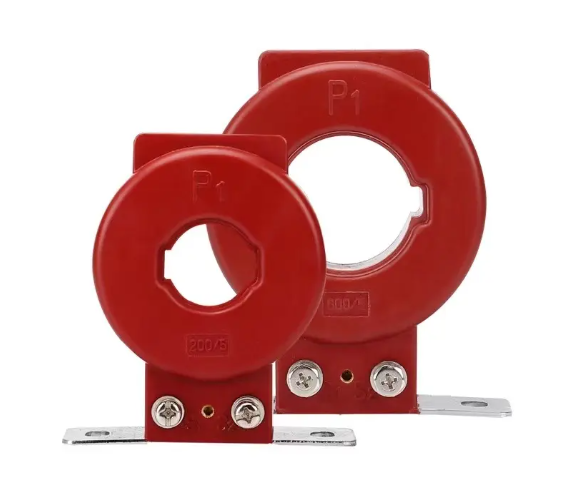
Selecting the right ct depends on several factors. Consider the form factor, regulatory requirements, output compatibility, conductor size, load size, and accuracy rating. The Maliotech LMZ Series stands out as a versatile low voltage current transformer. It offers high accuracy, flexible mounting options, and a long lifespan, making it suitable for many applications.
| Criteria | Description |
|---|---|
| Form Factor | Choose based on new or retrofit projects. |
| Regulatory Requirements | Ensure compliance with safety and compatibility standards. |
| CT Output | Match the output to your power meter. |
| Conductor Size | Make sure the ct fits around the conductor. |
| Load Size | Select a ct with the right current input range. |
| Accuracy Rating | Use high-accuracy ct for billing and revenue-grade needs. |
Tip: For both indoor and outdoor installations, always check environmental requirements. Weatherproof enclosures and proper ventilation protect the ct and extend its service life.
Choosing the right type of current transformer improves system performance. Review these points for optimal results:
- Select the type based on current range, accuracy, and installation method.
- Maintain each type with regular inspections and calibration.
- Consult product specifications for each type, such as Maliotech’s LMZ Series.
| Specification | Details |
|---|---|
| Rated Voltage | 0.5kV, 0.66kV |
| Installation Method | Vertical or horizontal |
| Rated Secondary Current | 5A, 1A |
| Ambient Temperature | -5°C ~ +40°C |
| Terminal Marks | P1, P2; S1, S2 |
FAQ
What is the lifespan of a typical current transformer?
Most units last 20 to 30 years. Regular maintenance and proper installation help extend service life.
How do I install a current transformer safely?
Always follow manufacturer instructions. Use proper tools. Never open the secondary circuit under load. Ground the secondary side to prevent shock risks.
Can the Maliotech LMZ Series be used outdoors?
| Feature | Description |
|---|---|
| Weatherproof | Yes, suitable for outdoors |
| Mounting | Vertical or horizontal |
| Temperature | -5°C to +40°C |
Post time: Feb-10-2026