

Electricity meters play an essential role in modern power distribution systems, helping utilities, industrial facilities, and commercial buildings measure electricity consumption accurately and manage energy usage efficiently. Behind reliable electricity metering equipment, power conversion components are responsible for providing stable voltage, supporting electronic circuits, and ensuring consistent operation. Among these components, Switching Transformer, China Power Transformer, Low Frequency Transformers, and 3 Phasen Transformator solutions serve different functions in power supply and electrical measurement systems.
As smart electricity meters become increasingly popular, manufacturers are paying greater attention to transformer performance, electrical safety, energy efficiency, and compact design. Selecting the appropriate transformer depends on the meter’s circuit architecture, input voltage, isolation requirements, operating environment, and power consumption. With the right transformer solution, electricity meter manufacturers can develop reliable products for residential, commercial, and industrial applications.
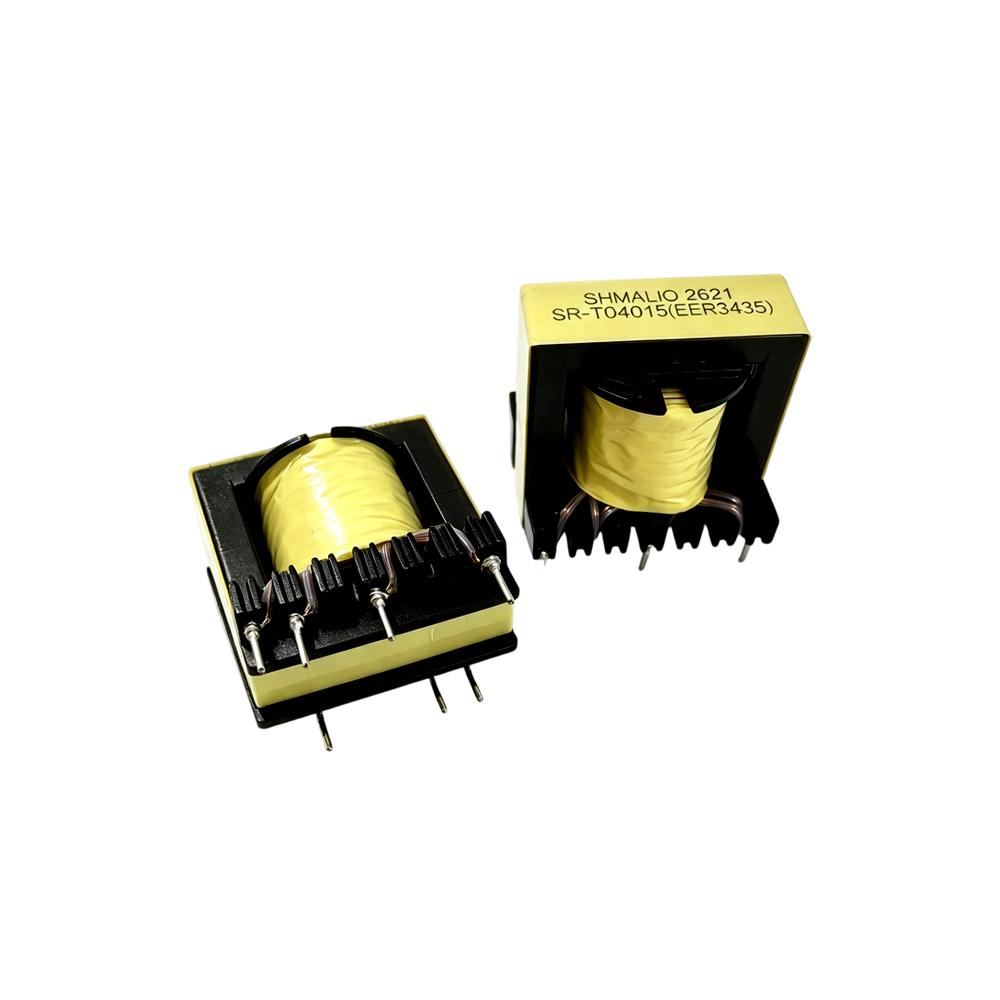
1. Switching Transformer for Smart Electricity Meter Power Supplies
A Switching Transformer is commonly used in switched-mode power supply circuits to transfer energy between circuit stages while providing voltage conversion and, in isolated designs, electrical isolation. Its compact structure and suitability for high-frequency operation make it an attractive option for many modern electronic devices, including certain smart electricity meters and energy monitoring systems.
Smart electricity meters often contain microcontrollers, measurement chips, LCD displays, communication modules, and other electronic components. These circuits require appropriate power supply voltages to operate correctly. Depending on the meter’s design, a switching power supply can convert the incoming electrical power into regulated DC outputs for the internal electronic system. The switching transformer is an important component in isolated switching power supply topologies.
One major advantage of a Switching Transformer is its potential to reduce size and weight. Because it operates at a higher frequency than conventional line-frequency transformers, its magnetic core and winding requirements can often be reduced for a comparable power transfer application. This is particularly useful when manufacturers need to fit power conversion components into compact meter enclosures.
Efficiency is another consideration. A well-designed switching power supply can achieve high conversion efficiency, helping reduce power losses and heat generation. This can support the development of energy-efficient metering equipment, although actual performance depends on the complete power supply circuit, transformer construction, switching frequency, and component selection.
Reliability is essential because electricity meters may remain installed for many years with limited maintenance. Transformer designers should consider core material, winding insulation, creepage and clearance distances, thermal performance, electromagnetic compatibility, and the expected operating environment. These parameters help ensure stable operation and compliance with applicable safety standards.
When selecting a switching transformer for an electricity meter, manufacturers should confirm the input voltage range, output power requirements, isolation specifications, switching frequency, mounting dimensions, and compatibility with the power supply controller. Prototype testing under normal and abnormal operating conditions can help identify potential problems before mass production.
For smart meters that integrate communication functions and digital measurement circuits, a properly specified Switching Transformer can support compact power supply design, stable circuit operation, and efficient energy conversion.
2. China Power Transformer and Low Frequency Transformers for Metering Equipment
A China Power Transformer can refer to a power transformer manufactured by a Chinese supplier for domestic or international electrical equipment markets. For electricity meter manufacturers, sourcing transformers from China may provide access to customized designs, a broad range of component specifications, and manufacturing options suitable for different production volumes.
The right supplier should be evaluated based on engineering capability, manufacturing consistency, product documentation, and compliance with the relevant electrical safety requirements. Rather than considering price alone, buyers should compare electrical performance, insulation systems, material quality, sample testing, and long-term supply reliability.
In electricity metering applications, transformers may be used in auxiliary power supplies, isolation circuits, or associated electrical monitoring equipment. The specific application determines the transformer’s voltage rating, current capacity, insulation requirements, and physical construction. It is important to distinguish between a power transformer used to supply electronic circuits and an instrument transformer used to measure electrical voltage or current. These components perform different functions and should not be treated as interchangeable.
Low Frequency Transformers generally operate at standard power-line frequencies, such as 50 Hz or 60 Hz. They are often used where a conventional transformer-based power supply is suitable, particularly in equipment that requires voltage conversion and electrical isolation. Depending on the design, these transformers may feature laminated steel cores, copper or aluminum windings, and insulation systems selected for the intended operating conditions.
One advantage of Low Frequency Transformers is their relatively straightforward construction. In suitable applications, they can provide robust voltage conversion and electrical isolation without requiring the same high-frequency switching circuitry used in switched-mode power supplies. However, they are generally larger and heavier than comparable high-frequency transformer solutions, and the complete power supply may have different efficiency and regulation characteristics.
For electricity meter manufacturers, the choice between a low-frequency transformer and a switching transformer depends on the product architecture. A conventional transformer may suit certain auxiliary supplies or associated metering equipment, while a switching transformer may be preferable where compact dimensions and efficient power conversion are priorities.
When sourcing a China Power Transformer, buyers should request detailed technical datasheets covering rated input and output voltages, frequency, rated power, insulation class, temperature rise, dielectric strength, and mounting specifications. If the transformer is intended for use in electricity meters connected to mains power, the design must also account for the applicable safety standards and the required insulation coordination.
Working with a qualified manufacturer that can provide engineering support, consistent production, and traceable quality control helps reduce integration risks and supports the development of dependable electricity metering products.
3. 3 Phasen Transformator Solutions for Three-Phase Electricity Meters
A 3 Phasen Transformator is the German term for a three-phase transformer. Three-phase electrical systems are widely used in factories, commercial buildings, industrial facilities, and utility distribution networks because they can efficiently supply power to high-demand electrical loads. Consequently, three-phase electricity meters are essential for monitoring energy consumption in these environments.
Unlike single-phase meters, three-phase metering systems are designed to monitor electrical parameters across three phases. Depending on the meter architecture, these parameters may include phase voltage, line voltage, current, active power, reactive power, power factor, frequency, and cumulative energy consumption.
A three-phase transformer can be used in an associated power supply or electrical distribution system to convert voltage levels according to the equipment’s requirements. However, it is important to note that a three-phase power transformer is not automatically required inside every three-phase electricity meter. Many meters connect directly to the relevant voltage supply, while others use external instrument transformers or dedicated power supply circuits, depending on their rated voltage, current range, and installation configuration.
For industrial metering systems, selecting the correct transformer requires careful consideration of the primary and secondary voltage ratings, rated capacity, frequency, insulation requirements, thermal performance, and installation environment. The transformer must be compatible with the electrical system and the equipment it supplies.
In applications involving voltage measurement, a voltage transformer or potential transformer may be used to reduce high system voltages to levels suitable for metering instruments. Similarly, current transformers may be used to scale large currents for measurement. These instrument transformers are distinct from power transformers that supply operating power to electronic circuits. Correctly identifying the required component is essential for measurement accuracy and electrical safety.
The 3 Phasen Transformator solution selected for an industrial metering project should therefore match the specific function required by the system. Engineers should assess whether the application needs three-phase power conversion, voltage measurement, current measurement, or an auxiliary power supply before choosing a product.
For international projects, manufacturers should also verify applicable regional standards, electrical ratings, enclosure requirements, and environmental conditions. Thorough design verification and testing can help ensure that the complete metering system operates reliably under its intended load and supply conditions.
In conclusion, Switching Transformer, China Power Transformer, Low Frequency Transformers, and 3 Phasen Transformator solutions support different requirements in electricity metering and associated power systems. By understanding the differences between power conversion and electrical measurement, manufacturers can choose suitable transformer components for their products. Careful attention to electrical specifications, insulation, efficiency, quality control, and supplier capability helps create safer, more reliable, and more competitive electricity metering solutions for residential, commercial, and industrial markets.
Post time: Oct-10-2026