

Accurate current measurement is essential for modern electricity meters, smart metering systems, and various electrical measuring instruments. As an important current-sensing component, an ammeter shunt provides a precise resistance path that helps measure electrical current by detecting the voltage drop across the shunt. Among different shunt materials, manganin is widely used because of its stable electrical characteristics and low temperature coefficient of resistance.
A Manganin DC Ammeter Shunt is designed to work in direct current measurement circuits, converting current into a measurable voltage signal through a carefully designed resistance element. It is commonly integrated into electricity meters and other electrical measurement devices where reliable current sensing is required. With the development of smart electricity meters and increasingly sophisticated power monitoring systems, high-quality shunt components have become an important part of accurate energy measurement.
Different applications require different shunt structures, resistance values, terminal configurations, and manufacturing processes. Products such as an Ammeter Shunt and an EBW Shunt With Brass Terminal can be customized to meet specific electrical and mechanical requirements, making them suitable for a wide range of metering applications.
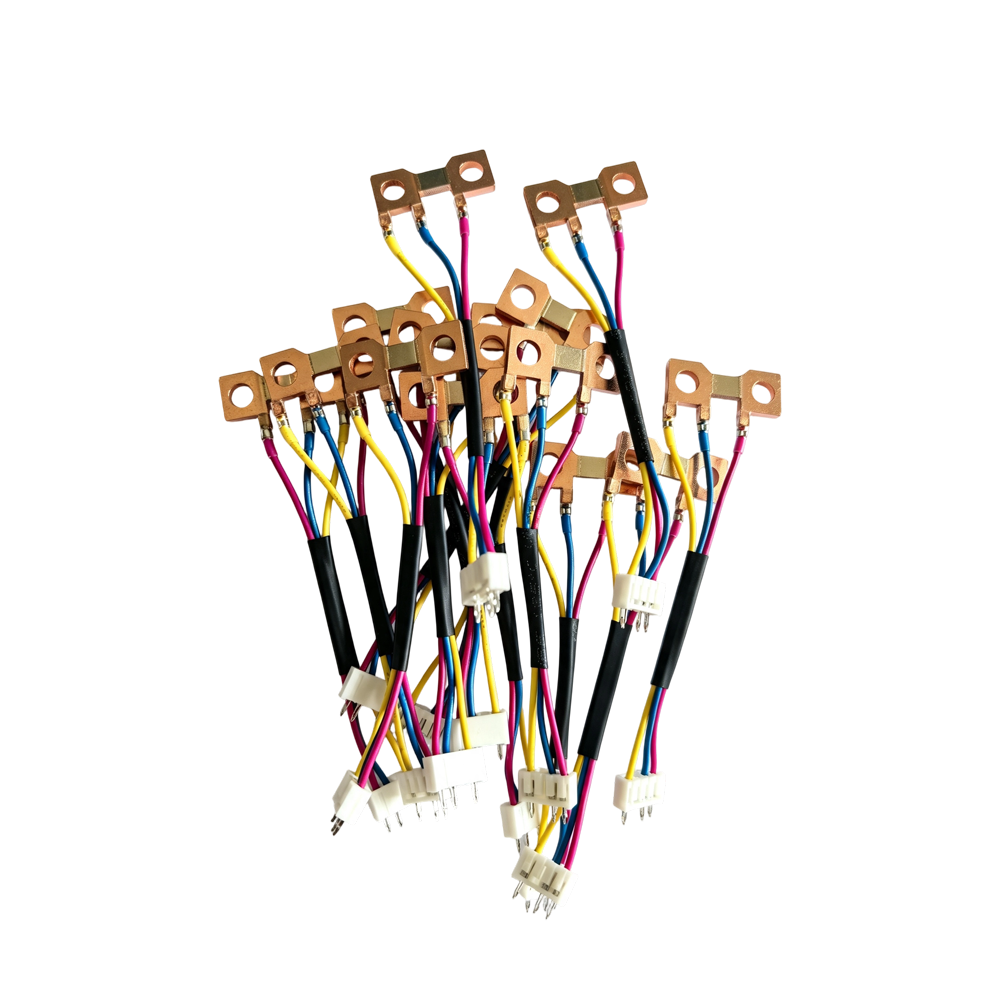
What Is a Manganin DC Ammeter Shunt?
A Manganin DC Ammeter Shunt is a precision resistance component used to measure direct current. It works according to the principle that when electrical current passes through a known resistance, a corresponding voltage drop is generated. By measuring this voltage drop, the measuring circuit can calculate the current flowing through the shunt.
Manganin is a copper-based resistance alloy commonly selected for precision shunt applications. Its electrical characteristics make it suitable for current measurement components that require stable resistance performance. Compared with ordinary copper, manganin offers a much lower temperature coefficient of resistance, helping reduce resistance variations caused by temperature changes under appropriate operating conditions.
The main structure of a manganin shunt generally includes a resistance element and conductive connection terminals. The manganin section provides the designed resistance value, while the terminals connect the component to the electrical circuit. The dimensions, material thickness, resistance value, and terminal structure are determined according to the customer’s application and technical specifications.
An Ammeter Shunt is widely used in current measurement instruments because it allows a measuring circuit to detect current through a small voltage signal. In electricity meters, the shunt can serve as part of the current-sensing system, providing measurement information to the meter’s electronic circuit. The actual configuration depends on the meter’s circuit design and measurement requirements.
For manufacturers of electricity meters, selecting a suitable shunt requires attention to several important factors:
Resistance Value: The resistance must match the designed current measurement range and circuit requirements.
Material Selection: Manganin is commonly used for precision resistance elements because of its stable resistance characteristics.
Structural Dimensions: Length, width, thickness, and overall shape need to fit the meter’s internal assembly.
Terminal Design: Connection structures must be compatible with the circuit and installation method.
Electrical Performance: Rated current, voltage drop, power dissipation, and temperature behavior should be evaluated according to the intended application.
These factors help determine whether a particular Manganin DC Ammeter Shunt is suitable for a specific electricity meter or measuring instrument.
Applications of Ammeter Shunt in Electricity Meters and Energy Measurement Systems
Electricity meters are designed to measure electrical energy consumption by monitoring voltage and current. In many electronic metering designs, current-sensing components play an important role in collecting accurate electrical signals. An Ammeter Shunt can be used as a current-sensing element, providing a voltage signal proportional to the current flowing through the circuit.
In smart electricity meters, the shunt is typically integrated into the current measurement path. When current passes through the resistance element, a small voltage difference is generated. The meter’s measurement circuit detects this voltage and processes the signal to calculate current. Together with voltage measurement, the system can determine power consumption and accumulate energy usage data.
A Manganin DC Ammeter Shunt is particularly relevant to applications that require a stable, known resistance for direct current measurement. Depending on the electrical architecture, shunt-based sensing can also be used in DC energy meters, battery monitoring equipment, and other power measurement systems.
Another important product configuration is the EBW Shunt With Brass Terminal. This type of shunt combines a resistance element with brass terminals, providing conductive connection points for integration into the customer’s electrical assembly. The specific structure and joining process should be selected according to the product design, current rating, and manufacturing requirements.
Brass terminals are used in electrical components because of their conductivity, mechanical properties, and suitability for machining and connection applications. In a shunt assembly, the terminal structure can influence installation convenience, connection reliability, and compatibility with the surrounding components.
For electricity meter manufacturers, different meter models may require different shunt designs. Some applications prioritize compact dimensions, while others require specific terminal positions, resistance values, or mounting structures. Customized shunts can therefore be developed to match the meter’s internal layout and electrical specifications.
Beyond electricity meters, shunt components may also be used in DC ammeters, power monitoring devices, battery management systems, and other electrical measurement equipment. The final selection should always be based on the operating current, measurement accuracy requirements, thermal conditions, and circuit design.
Customized Ammeter Shunt Manufacturing and Quality Considerations
Different electricity meter manufacturers and electrical equipment suppliers may have their own requirements for shunt components. For this reason, customized production is an important part of supplying a suitable Ammeter Shunt solution.
A shunt can be manufactured according to customer drawings, samples, or detailed technical specifications. Important customization details may include the manganin resistance element, material dimensions, terminal material, connection structure, overall shape, and required resistance value.
For an EBW Shunt With Brass Terminal, the connection between the resistance element and brass terminal is especially important. EBW generally refers to Electron Beam Welding, a specialized joining process that uses a focused electron beam to create a weld. When this process is specified in the product design, the welding structure and process parameters need to be evaluated to ensure that the finished component meets the required electrical and mechanical specifications.
The manufacturing process may involve material preparation, precision cutting, terminal processing, welding or joining, dimensional inspection, and electrical resistance testing. Each stage contributes to the consistency of the finished product.
For customers developing a new electricity meter or updating an existing design, customized shunt samples can be useful for evaluating dimensions, resistance values, terminal positions, and assembly compatibility before mass production. After the sample design is approved, production arrangements can be made according to the confirmed specifications and order quantity.
Quality evaluation may include:
Resistance value measurement.
Dimensional and structural inspection.
Terminal position and connection inspection.
Welding quality evaluation where applicable.
Electrical performance testing based on customer requirements.
Consistency checks during batch production.
For a Manganin DC Ammeter Shunt, resistance stability and dimensional consistency are particularly important. For an EBW Shunt With Brass Terminal, the joining quality and terminal structure also need careful attention. Appropriate inspection methods should be selected according to the product’s technical requirements and intended operating conditions.
As electricity meters continue to develop toward smarter and more precise measurement, reliable current-sensing components remain essential to the performance of metering systems. Whether you need a standard Ammeter Shunt, a customized Manganin DC Ammeter Shunt, or an EBW Shunt With Brass Terminal, selecting the right material, resistance value, and structural design is important for your application.
We welcome customers to provide product drawings, samples, and technical specifications for evaluation. Through customized manufacturing and application-oriented production, we aim to provide suitable shunt components for electricity meters, DC measuring instruments, and other electrical equipment.
Post time: Nov-10-2026