

Cage terminals are important electrical connection components widely used in electricity meters, smart meters, energy monitoring equipment, and power distribution systems. They provide secure connections between electrical conductors and internal meter circuits, helping ensure stable current transmission, reliable measurement, and convenient installation. As the demand for smart electricity meters and intelligent energy management systems continues to grow, high-quality terminal components have become increasingly important for meter manufacturers.
A well-designed cage terminal helps maintain consistent conductor contact, simplifies wiring, and supports the long-term reliability of electrical equipment. Depending on the application, manufacturers may choose standard cage terminals, zinc-plated cage terminals, customized cage terminal assemblies, or specialized cage terminals designed for metering applications.
Understanding the characteristics of Cage Terminal, Zn-Plated Cage Terminal, Cage Terminal Assembly, and Cage Terminal For Metering can help electricity meter manufacturers and electrical component buyers select suitable connection solutions for their products.
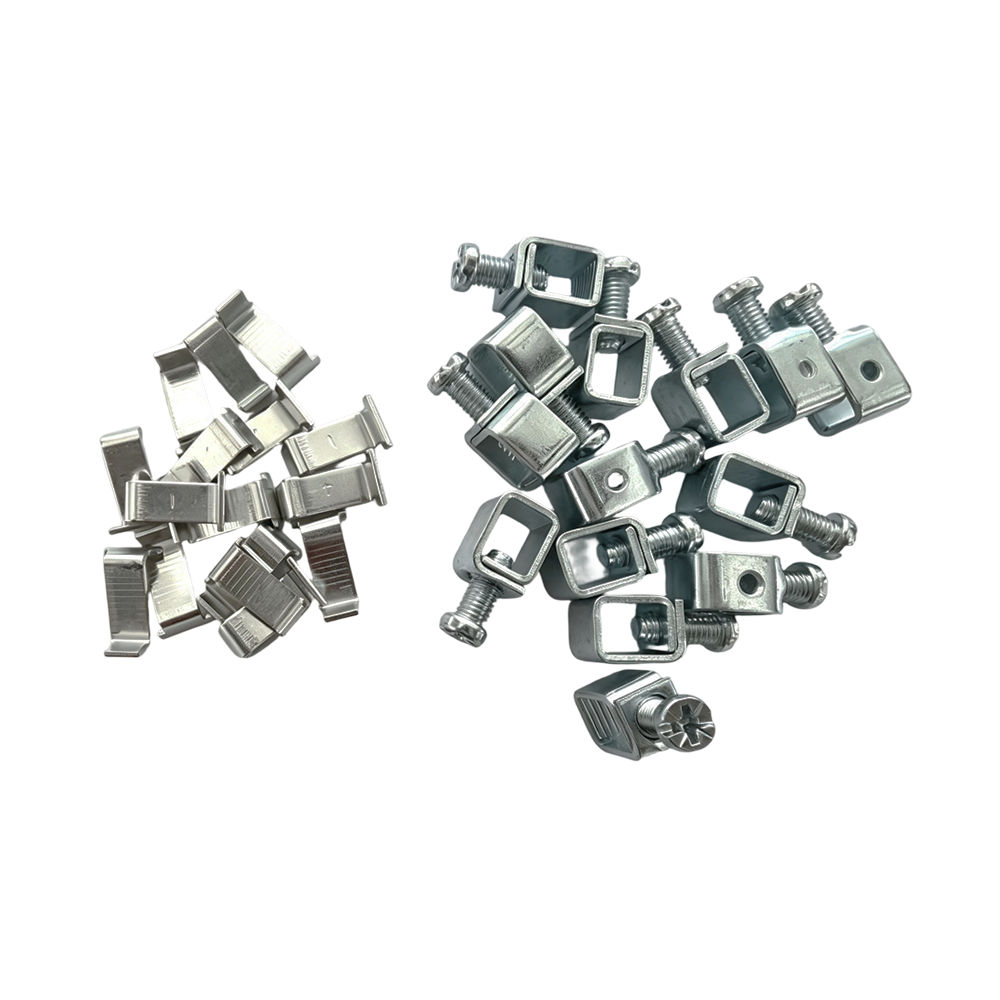
1. Cage Terminal: A Reliable Electrical Connection Solution for Electricity Meters
A Cage Terminal is an electrical connection component designed to secure a conductor within a terminal structure. Depending on the specific design, it may use a screw-operated clamping mechanism or another fastening arrangement to hold the conductor firmly in place. The cage structure helps apply contact pressure while keeping the conductor positioned within the connection area.
In electricity meters, cage terminals are commonly used in terminal blocks and wiring interfaces to connect incoming and outgoing electrical conductors. They help establish stable electrical paths between the external power supply, the meter’s current-carrying components, and the connected electrical circuit.
Key Features of Cage Terminals
One of the main advantages of a cage terminal is its ability to provide a mechanically secure connection. Properly designed clamping structures help prevent conductors from loosening under normal operating conditions. This is particularly important for electricity meters, which are expected to operate reliably over extended periods.
Cage terminals can also simplify installation and maintenance. Installers can connect conductors through a designated terminal opening and secure them using the specified fastening method. Depending on the design, the terminal may accommodate different conductor sizes and types, including solid or stranded wires.
Another important feature is design flexibility. Cage terminals can be manufactured in various dimensions, shapes, and configurations to meet the requirements of different electricity meter models. Material selection, contact surface design, screw specifications, and mounting dimensions can all be adapted to the intended application.
For meter manufacturers, these features help support efficient assembly and consistent wiring quality. However, the actual performance of a terminal depends on its design, materials, conductor compatibility, and manufacturing quality.
Applications in Electricity Meters
In traditional electricity meters, cage terminals can be integrated into terminal blocks that connect the meter to the electrical supply and load. They provide defined connection points for conductors and help maintain reliable electrical contact.
In smart electricity meters, cage terminals continue to serve as important interfaces for power connections. Smart meters may incorporate electronic measurement circuits, communication modules, and remote monitoring functions, but their external wiring still depends on properly designed terminal components.
Cage terminals may also be used in three-phase electricity meters, industrial metering equipment, and energy monitoring systems. The appropriate terminal configuration depends on the rated current, conductor size, number of connections, installation space, and applicable electrical standards.
When selecting a cage terminal, buyers should verify its rated current, conductor range, contact resistance, fastening torque, temperature-rise performance, and mechanical strength. These specifications help ensure that the terminal is suitable for the complete metering system.
2. Zn-Plated Cage Terminal and Cage Terminal Assembly
Different electricity meter designs require different terminal finishes and assembly configurations. Zn-Plated Cage Terminal and Cage Terminal Assembly are two important options for manufacturers seeking reliable electrical connections and efficient production processes.
Zn-Plated Cage Terminal
A Zn-Plated Cage Terminal is a cage terminal with a zinc-plated surface finish. Zinc plating is commonly used to provide a protective coating on suitable metal components, helping improve resistance to corrosion under appropriate environmental conditions.
In electricity meter manufacturing, zinc-plated terminals may be considered when the base material, operating environment, and product specifications make this surface treatment suitable. The coating can help protect exposed metal surfaces during storage, handling, and service, depending on coating thickness, surface preparation, and environmental exposure.
A zinc-plated finish may also provide a consistent appearance and support the manufacturing requirements of certain terminal designs. However, zinc plating should not automatically be considered the best finish for every electrical contact. Contact resistance, coating thickness, mating materials, humidity, and the possibility of oxidation must all be evaluated for the intended application.
For electricity meter manufacturers, it is important to distinguish between the protective function of the coating and the electrical performance of the contact interface. The terminal’s conductivity and temperature-rise performance depend on the base material, contact geometry, contact pressure, surface condition, and complete assembly.
When purchasing a zinc-plated cage terminal, buyers should confirm the base material, plating specification, coating thickness, corrosion-resistance requirements, and electrical test results. If the terminal will be used in a high-current connection, the suitability of the finish should be verified through appropriate testing rather than assumed from the coating type alone.
Cage Terminal Assembly
A Cage Terminal Assembly is a complete terminal arrangement consisting of a cage terminal and its associated components, depending on the product design. These components may include a conductive terminal body, clamping cage, fastening screw, mounting structure, or other connection elements.
For electricity meter manufacturers, supplying terminals as an assembly can simplify component sourcing and improve production efficiency. Instead of purchasing and assembling every part separately, manufacturers can integrate a prepared terminal assembly into the meter’s terminal block or connection system.
A properly designed assembly helps ensure that its components fit together correctly and deliver the required mechanical and electrical performance. Consistent dimensions and controlled assembly processes can also reduce installation errors and support repeatable production quality.
Customization is often important because different meter models have different housing dimensions, conductor layouts, and current ratings. Terminal assemblies may therefore require customized lengths, mounting holes, screw sizes, clamping ranges, and surface finishes.
Before selecting a cage terminal assembly, buyers should review technical drawings, material specifications, assembly dimensions, and testing requirements. Sample verification is particularly useful when the assembly must fit an existing electricity meter design.
For large-volume production, manufacturers should also consider dimensional consistency, quality traceability, delivery capacity, and the supplier’s ability to maintain stable product specifications.
3. Cage Terminal For Metering: Selection, Quality, and Performance
A Cage Terminal For Metering is a terminal designed specifically for the electrical connection requirements of metering equipment. It can be used in single-phase meters, three-phase meters, smart meters, and other electricity measurement devices, provided that its specifications match the application.
Metering terminals must provide reliable conductor connections while meeting requirements for electrical safety, mechanical stability, and long-term performance. Selecting the right terminal involves evaluating several factors rather than focusing on price alone.
Electrical Performance and Current Rating
The rated current is one of the most important selection criteria. A terminal must be suitable for the current expected in the meter’s intended operating conditions. Its contact area, conductive material, clamping force, and overall geometry all influence electrical performance.
Contact resistance should be controlled because excessive resistance can generate heat when current flows through the connection. Poor conductor preparation, insufficient tightening, unsuitable conductor sizes, or deteriorating contact surfaces may increase resistance and affect reliability.
Buyers should verify rated current, supported conductor cross-sections, permissible conductor types, specified tightening torque, and temperature-rise test results. The terminal must be evaluated as part of the complete meter assembly to ensure that it meets applicable requirements.
Material Selection and Corrosion Protection
Terminal materials influence conductivity, mechanical strength, manufacturing cost, and resistance to environmental degradation. Copper alloys and other suitable conductive materials may be selected according to the product’s design and electrical requirements.
Surface treatments can provide additional protection, but their suitability depends on the base material and contact conditions. For zinc-plated terminals, manufacturers should confirm that the coating meets the project’s corrosion and electrical requirements.
In environments with high humidity, temperature variation, or other challenging conditions, buyers should consider the complete terminal structure, enclosure protection, and applicable environmental tests.
Customization and Quality Control
Different electricity meters may require different terminal dimensions, mounting structures, and connection configurations. A qualified supplier should be able to provide clear technical specifications and, where available, customized solutions that fit the meter’s design.
Quality control may include material verification, dimensional inspection, visual checks, plating-thickness measurement, mechanical strength testing, contact resistance testing, and temperature-rise evaluation. The specific tests should reflect the product’s intended use and relevant standards.
Manufacturers should also verify compliance with applicable electrical safety and metering requirements in their target markets. For billing applications, the complete meter and terminal assembly must satisfy the relevant regulatory and testing requirements.
Choosing a supplier with consistent manufacturing processes and reliable technical support can help reduce assembly problems, improve production efficiency, and maintain stable product quality.
Cage terminals are essential connection components in electricity meters, providing secure conductor connections and supporting reliable electrical performance. A Cage Terminal offers a practical connection structure, a Zn-Plated Cage Terminal provides a protective surface finish for suitable applications, and a Cage Terminal Assembly helps simplify integration and manufacturing. A Cage Terminal For Metering is designed to meet the connection requirements of electricity measurement equipment.
When choosing cage terminals for electricity meters, manufacturers should carefully evaluate current ratings, conductor compatibility, contact resistance, material properties, surface treatment, mechanical strength, and dimensional accuracy. By selecting the appropriate terminal design and working with a reliable supplier, electricity meter manufacturers can improve assembly efficiency and support safe, dependable operation in traditional and smart metering systems.
Post time: Oct-27-2026