

Brass terminals are essential electrical connection components widely used in electricity meters, smart meters, energy monitoring devices, and power distribution equipment. They provide reliable electrical connections between internal circuits, conductors, and external wiring, helping ensure stable current transmission and dependable meter operation. With the development of smart grids and intelligent energy management systems, the demand for high-quality terminal components has continued to grow.
In electricity meter manufacturing, terminal materials, structural design, electrical conductivity, mechanical strength, and corrosion resistance all influence product performance. Manufacturers must select suitable terminals to meet different current ratings, installation requirements, and operating environments. Common options include Brass Terminal, Ebw Shunt With Brass Terminal, Copper Brass Terminal, and Electrical Meter Brass Terminal.
Understanding the characteristics and applications of these components helps electricity meter manufacturers, electrical equipment suppliers, and purchasing professionals make informed decisions when sourcing reliable terminal solutions.
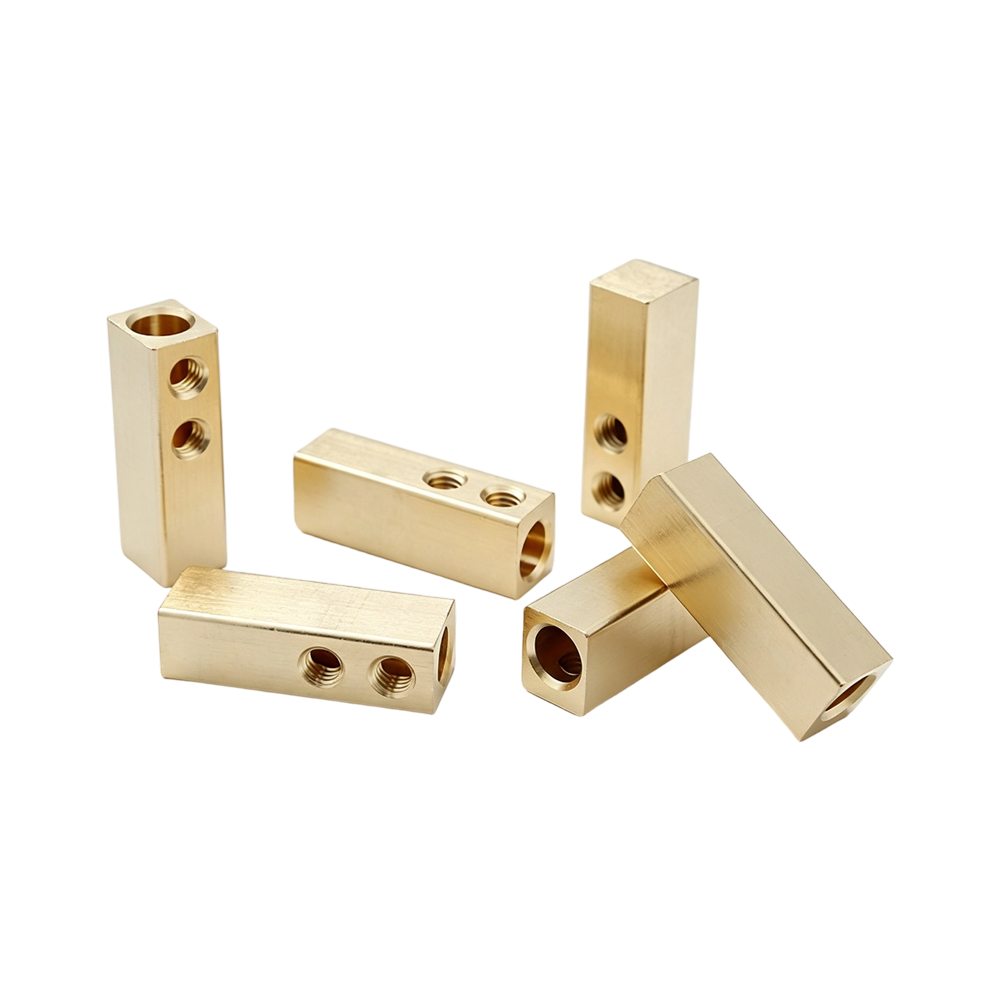
1. Understanding Brass Terminals for Electricity Meter Applications
A Brass Terminal is an electrical connection component commonly manufactured from brass, an alloy primarily composed of copper and zinc. Brass offers a useful combination of electrical conductivity, mechanical strength, machinability, and corrosion resistance, making it suitable for many electrical connection applications.
In electricity meters, brass terminals are frequently used to connect incoming and outgoing wires, secure conductors, and establish dependable electrical contact between different parts of the metering circuit. Depending on the meter design, these terminals may be incorporated into terminal blocks, connection assemblies, current paths, and other electrical interfaces.
Key Advantages of Brass Terminals
One major advantage of brass is its machinability. The material can be processed through turning, milling, stamping, forging, and other manufacturing methods to produce terminals with precise dimensions and complex structures. This flexibility allows manufacturers to develop customized components for different electricity meter models.
Brass also provides good mechanical strength for applications requiring screws, clamps, threaded holes, or conductor-retaining structures. These features help terminals maintain secure connections during installation and normal operation.
Corrosion resistance is another important benefit. Appropriate brass grades and surface treatments can help terminals withstand common environmental conditions. Depending on the application, manufacturers may use tin plating, nickel plating, or other suitable finishes to improve contact performance and surface protection.
Although brass is generally less conductive than pure copper, it can provide a practical balance between conductivity, strength, manufacturing efficiency, and cost. The appropriate material should be selected according to the meter’s electrical load, temperature limits, and applicable safety requirements.
Applications in Smart and Traditional Electricity Meters
In traditional electricity meters, brass terminals provide connection points for power input, power output, and internal electrical circuits. They must accommodate the specified conductor sizes and maintain stable contact under normal operating conditions.
In smart electricity meters, terminal components continue to play an important role in safe and reliable electrical connections. Smart meters may include additional electronic measurement, communication, and monitoring functions, but their main power connections still depend on properly designed conductive components.
For manufacturers, terminal design should consider rated current, conductor dimensions, screw torque, contact resistance, insulation clearance, and temperature rise. These factors help ensure that the terminal assembly performs reliably throughout the meter’s service life.
2. EBW Shunt With Brass Terminal and Copper Brass Terminal
Different electricity meter designs require different combinations of conductive materials and connection structures. Ebw Shunt With Brass Terminal and Copper Brass Terminal are two component types that can support specific electrical connection and current-measurement requirements.
EBW Shunt With Brass Terminal
An Ebw Shunt With Brass Terminal combines a shunt element with brass terminal connections. In electricity metering applications, a shunt is a low-resistance component used to measure current by detecting the small voltage drop produced when current passes through it.
The meter’s electronic measurement circuit can use this voltage signal to determine the current flowing through the circuit. When combined with suitable voltage measurement and processing, this information can contribute to calculations of electrical power and energy consumption.
Brass terminals provide practical connection points for integrating the shunt into the meter’s current path. Their mechanical strength and manufacturing flexibility can support secure connections and consistent assembly, depending on the specific design.
The performance of a shunt assembly depends on several factors, including the resistance value, temperature coefficient, material selection, joint quality, and dimensional consistency. Because even small changes in resistance can influence the measured voltage signal, manufacturers should carefully control the shunt’s electrical characteristics.
For electricity meter manufacturers, an EBW shunt assembly with brass terminals may help simplify component integration and support compact meter designs. Buyers should confirm the required current range, resistance specifications, output signal, connection dimensions, and compatibility with the meter’s measurement circuit before placing an order.
Copper Brass Terminal
A Copper Brass Terminal generally refers to a terminal made from copper, brass, or a design that combines copper and brass materials. The precise construction should be confirmed with the supplier because product terminology can vary between manufacturers.
Copper offers high electrical conductivity, making it suitable for applications where minimizing electrical losses is a priority. Brass provides good machinability, strength, and thread-forming performance. Depending on the design, a copper-brass solution may combine these properties to meet particular electrical and mechanical requirements.
In electricity meters, copper or brass terminals can be used for current-carrying connections, conductor interfaces, terminal blocks, and other conductive assemblies. The most suitable material depends on the expected current, contact pressure, manufacturing process, cost targets, and operating environment.
Material selection should also account for contact resistance and heat generation. A poorly designed or inadequately tightened connection may develop excessive resistance, leading to temperature rise and reduced reliability. Proper terminal geometry, surface finish, fastening torque, and quality inspection are therefore essential.
When comparing copper and brass options, buyers should request detailed material specifications rather than relying on product names alone. They should also verify conductivity, mechanical properties, plating requirements, and compliance with relevant electrical safety standards.
3. How to Select the Right Electrical Meter Brass Terminal
An Electrical Meter Brass Terminal is specifically designed to meet the connection requirements of electricity meters. It may be used in single-phase meters, three-phase meters, smart meters, and other energy measurement devices, depending on its dimensions and electrical specifications.
Selecting the correct terminal helps improve assembly efficiency, maintain reliable conductor connections, and support the long-term performance of the complete metering system.
Electrical Specifications and Current Capacity
The first consideration is the rated current of the electricity meter. Terminal dimensions, material properties, contact areas, and connection methods must be suitable for the intended current and operating conditions.
Buyers should evaluate electrical resistance, temperature rise, conductor compatibility, and the terminal assembly’s performance under the required load. Rated current should not be determined by material alone because the overall design and test results are equally important.
For metering applications involving electrical billing, it is particularly important to confirm compliance with applicable standards and the requirements of the complete meter assembly.
Dimensions, Installation, and Customization
Terminal dimensions must match the meter housing, terminal block, conductor size, and assembly process. Important parameters may include overall length, width, thickness, hole diameter, thread size, mounting position, and contact surface dimensions.
Customized brass terminals can be developed to meet different meter structures and manufacturing requirements. Depending on production capabilities, customization may cover material grade, machining tolerances, plating, screw-hole configurations, and terminal geometry.
Before mass production, buyers should confirm technical drawings, samples, assembly compatibility, and inspection criteria. Consistent dimensions help reduce assembly difficulties and improve production efficiency.
Surface Treatment and Product Quality
Surface treatment can improve corrosion resistance and contact performance when appropriately selected for the application. Tin plating is commonly considered for electrical contacts, while other finishes may be specified according to environmental and technical requirements. The suitability of any coating should be verified through testing.
Quality control should include material verification, dimensional inspection, visual examination, and relevant electrical and mechanical tests. For finished meter assemblies, testing may also cover temperature rise, connection security, insulation performance, and compliance with applicable standards.
Manufacturers should maintain consistent production processes and traceable quality records to support stable supply. Buyers sourcing brass terminals in bulk should evaluate not only unit price but also manufacturing consistency, customization capabilities, delivery reliability, and technical support.
Brass terminals are important components in electricity meters, supporting secure electrical connections and reliable current transmission. A Brass Terminal offers a practical balance of mechanical strength and manufacturability, an Ebw Shunt With Brass Terminal supports shunt-based current measurement, and a Copper Brass Terminal can provide material options for different conductivity and mechanical requirements. An Electrical Meter Brass Terminal is designed around the specific connection needs of energy measurement equipment.
When selecting terminals for electricity meters, manufacturers should consider material composition, rated current, contact resistance, dimensions, surface treatment, and quality requirements. Working with a qualified terminal supplier can help ensure component compatibility, consistent manufacturing, and dependable performance in traditional and smart electricity metering systems.
Post time: Oct-20-2026