

In the modern energy industry, accurate data measurement and clear information display are essential for efficient electricity management. Electricity meters are widely used in residential buildings, commercial facilities, industrial plants, and smart energy systems to monitor power consumption and support reliable billing. As the demand for intelligent metering solutions continues to grow, display technology has become an important factor in improving meter readability, durability, and overall performance. Customized LCD solutions, LCD Segment technology, LCM Display modules, and Segment LCD screens are widely used in electricity meters because of their low power consumption, stable performance, and flexible design options.
For electricity meter manufacturers, choosing the right display is not simply a matter of showing numbers. The display must remain clear under different lighting conditions, operate reliably for years, and communicate essential information such as energy consumption, voltage, current, and billing data. Customized display solutions allow manufacturers to develop products that meet specific technical requirements while maintaining cost efficiency and product consistency.
1. Why Customized LCD Displays Are Ideal for Electricity Meters
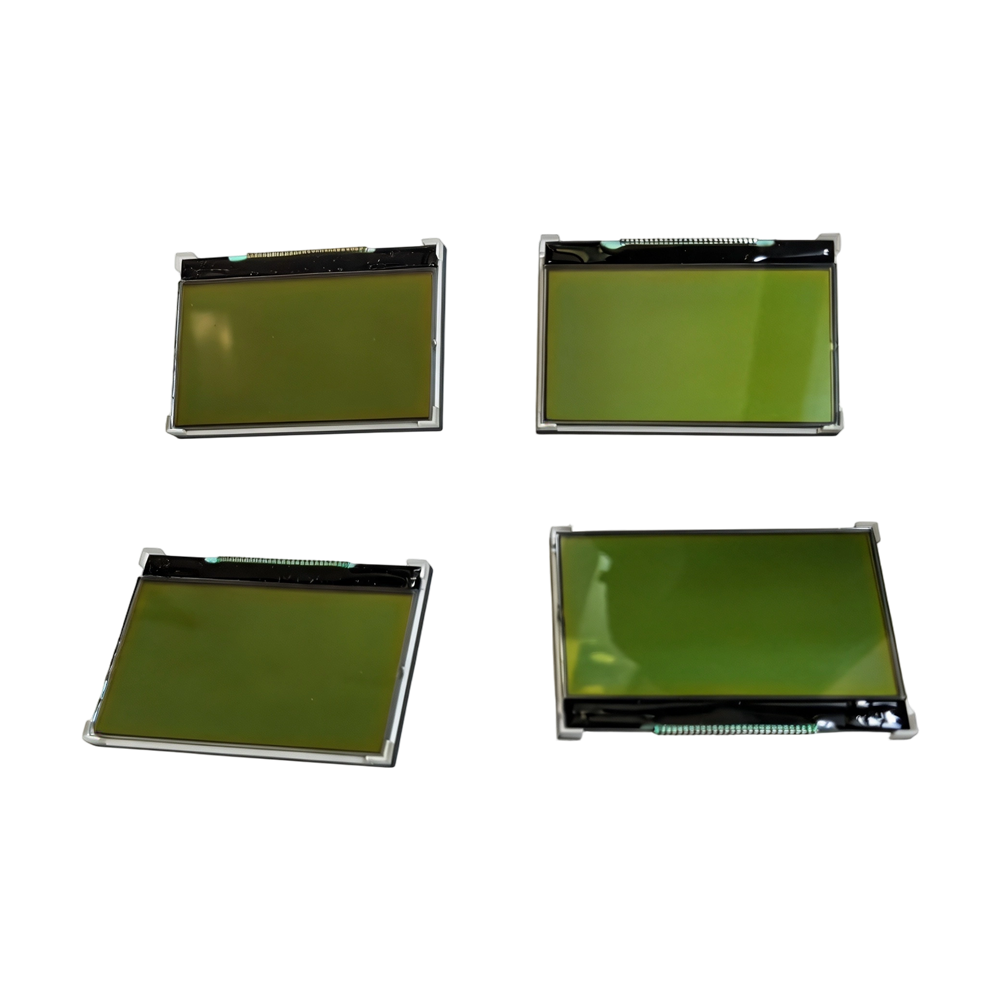
Electricity meters often operate continuously for many years, making low power consumption and long-term reliability critical requirements. A Customized LCD provides a practical solution because its size, viewing area, character arrangement, symbols, and display functions can be designed according to the specific requirements of different metering devices.
One of the main advantages of customized LCD technology is its ability to display essential measurement information clearly. Depending on the meter design, the screen can show cumulative energy consumption in kWh, voltage, current, power factor, frequency, and other electrical parameters. Manufacturers can also incorporate dedicated icons to indicate communication status, tariff periods, battery conditions, alarms, and operating modes.
Low power consumption is another important advantage. Many electronic electricity meters are designed for continuous operation, and some applications require battery backup or support for low-power operating modes. LCD technology generally consumes less power than many emissive display technologies, helping manufacturers manage the energy requirements of their equipment.
Durability is equally important. Electricity meters may be installed in outdoor cabinets, utility rooms, apartment buildings, industrial facilities, or locations with significant temperature fluctuations. Selecting appropriate LCD materials, operating modes, and temperature specifications helps ensure that the display remains readable and functional under the intended operating conditions.
A customized solution can also improve product differentiation. Manufacturers can specify particular digit sizes, segment layouts, connector types, viewing angles, and mounting dimensions to match their meter housings and circuit boards. This flexibility is especially valuable for companies developing new electricity meter models or upgrading existing products without redesigning the entire device.
When selecting a Customized LCD, manufacturers should evaluate operating temperature, viewing angle, contrast, environmental requirements, expected service life, and compatibility with the electronic control system. These factors help ensure that the display meets the practical requirements of the electricity metering application.
2. LCD Segment and Segment LCD Technology for Energy Measurement
LCD Segment technology is particularly suitable for electricity meters that primarily display numerical readings and a limited set of predefined symbols. Unlike a graphical display that can present complex images, a segment-based screen uses specifically designed display elements to form numbers, letters, and icons. This straightforward structure makes it an efficient option for many traditional and electronic metering products.
A Segment LCD can be designed with large numerical digits for cumulative energy readings, smaller characters for additional parameters, and dedicated symbols for operating conditions. For example, a residential electricity meter may display total consumption, a tariff indicator, and a communication icon on the same screen. An industrial meter may require additional segments for voltage, current, frequency, and measurement modes.
The layout can be tailored to the information users need most frequently. Large digits improve readability when users inspect a meter from a short distance, while clearly separated symbols help reduce confusion between measurement units and operating states. Customized segment patterns also allow manufacturers to create distinctive interfaces while keeping the display design relatively simple.
Another advantage of LCD Segment technology is its suitability for mass production. Once the display design and specifications have been established, manufacturers can produce consistent screens for large batches of electricity meters. This helps support standardized product designs, predictable assembly processes, and cost-effective manufacturing.
For smart electricity meters, segment displays can work alongside microcontrollers and communication modules. The meter’s electronic system processes measurement data and sends the required information to the display driver, which controls the corresponding segments. Depending on the system architecture, the meter may also support remote data transmission through compatible communication technologies.
However, segment displays have limitations. Their predefined shapes make them less suitable for applications requiring extensive menus, detailed graphics, or frequently changing interface layouts. Manufacturers should therefore determine whether a numerical segment display provides sufficient functionality before selecting a display solution.
For electricity meters focused on reliable readings, straightforward operation, and long service life, Segment LCD technology remains a practical choice that balances readability, power efficiency, and manufacturing cost.
3. LCM Display Solutions and How to Choose the Right LCD Supplier
An LCM Display, or liquid crystal display module, generally integrates an LCD panel with supporting components such as driver ICs, a printed circuit board, and other electronic elements, depending on the module design. Compared with purchasing a bare LCD panel, an integrated display module can simplify product development and assembly for electricity meter manufacturers.
For example, a customized LCM module may be designed to work with a specific controller, connector arrangement, and communication interface. Depending on the requirements, the module may support a segment-based interface or a more advanced display format. This flexibility allows manufacturers to select an appropriate solution for basic residential meters, commercial metering equipment, or specialized industrial measurement devices.
When evaluating an LCM Display for electricity meters, compatibility should be a primary consideration. The module’s electrical characteristics, pin configuration, controller requirements, and mechanical dimensions must match the meter’s hardware design. Engineers should also confirm whether the display supports the required viewing angle, contrast performance, and operating temperature range.
Environmental performance deserves particular attention. Meters installed outdoors or in unconditioned spaces may experience low temperatures, high temperatures, humidity, vibration, or prolonged exposure to sunlight. The LCD module should therefore be selected and tested according to the actual installation environment and applicable product requirements. Where necessary, manufacturers should also consider UV-resistant materials, appropriate sealing, and suitable enclosure designs.
Quality control is another important factor. A reliable display supplier should be able to provide technical datasheets, dimensional drawings, electrical specifications, sample evaluation, and production quality information. Prototype testing helps verify readability, electrical compatibility, and performance under expected operating conditions before mass production begins.
Manufacturers should also discuss customization capabilities, minimum order quantities, production lead times, tooling requirements, and after-sales technical support. Early communication between the meter designer and the display supplier can reduce development risks and help avoid costly modifications after production has started.
In conclusion, Customized LCD, LCD Segment, LCM Display, and Segment LCD technologies offer practical solutions for electricity meter manufacturers seeking reliable, energy-efficient, and application-specific display systems. By selecting the right display structure and working with an experienced supplier, manufacturers can improve meter readability, simplify integration, and support consistent product quality. Whether developing a new smart meter or optimizing an existing electricity metering device, a carefully specified LCD solution can contribute to dependable measurement, efficient manufacturing, and long-term product performance.
Post time: Oct-10-2026