

Electricity meters are essential devices in modern power distribution systems. They measure electrical energy consumption and provide important data for residential, commercial, and industrial power management. As smart metering technology continues to develop, the demand for reliable electrical connection components is also increasing. Among these components, the Cage Terminal plays an important role in providing secure and stable wire connections inside electricity meters.
A cage terminal is an electrical connection component designed to hold conductors securely through a clamping mechanism. It is commonly used in terminal blocks, meter connection assemblies, and electrical control equipment. With its practical structure and reliable clamping performance, it helps establish stable electrical connections while simplifying wire installation and maintenance.
For electricity meter manufacturers, selecting suitable terminal components is important for ensuring electrical safety, connection stability, and long-term product reliability. A Cage Terminal For Metering is specifically designed to meet the connection requirements of energy measurement equipment. Depending on material selection and surface treatment, a Zn-Plated Cage Terminal can also provide improved surface protection and corrosion resistance, making it suitable for various electrical applications.
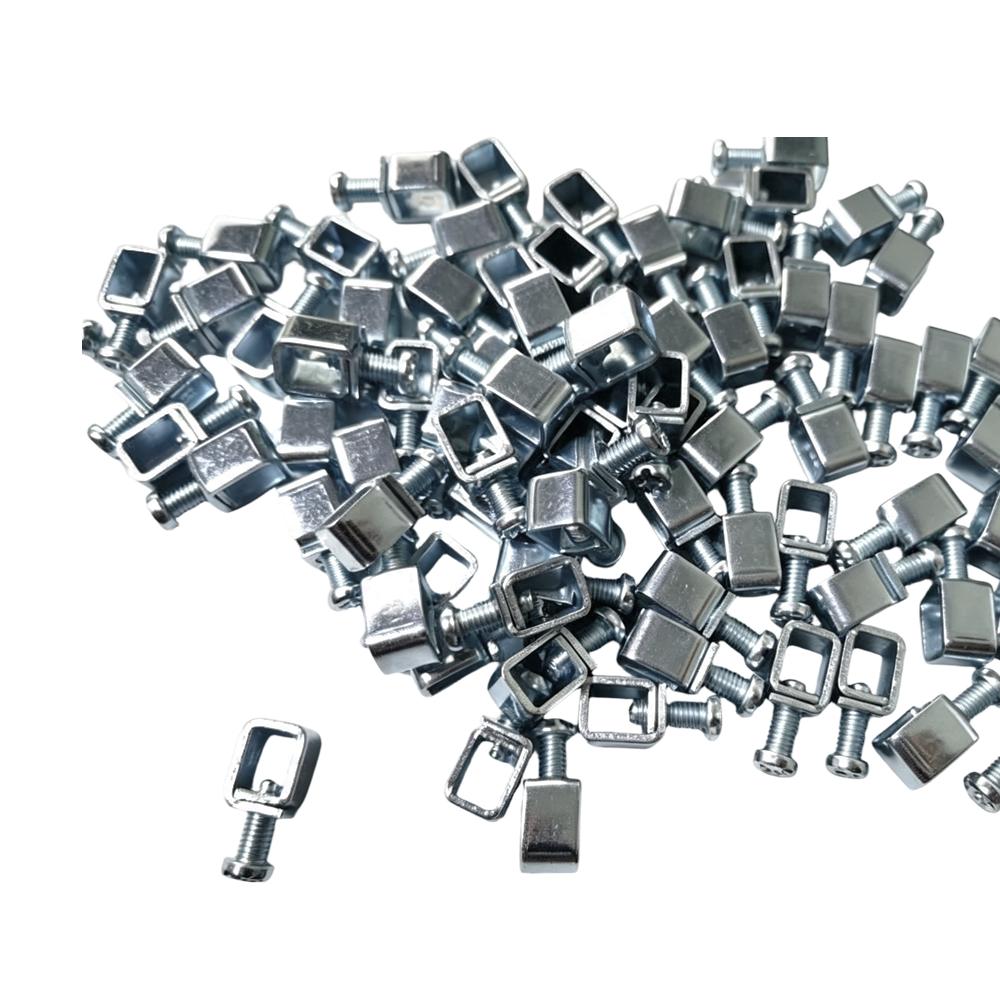
Working Structure and Advantages of Cage Terminal in Electricity Meters
A Cage Terminal is designed to connect and secure electrical conductors through a mechanical clamping structure. Its typical construction includes a conductive terminal body and a cage-shaped clamping element. When a screw or other tightening mechanism is operated, the cage applies pressure to the inserted wire, creating a firm electrical and mechanical connection.
In electricity meters, terminal components are generally installed in the connection area where incoming and outgoing electrical wires are connected. The cage terminal helps secure these conductors and maintain reliable electrical contact. Depending on the meter design, it can be used for connecting phase wires, neutral wires, and other specified electrical conductors.
One of the main advantages of a cage terminal is its reliable clamping performance. A properly designed terminal can hold the conductor firmly and help reduce the risk of loose connections caused by vibration, temperature changes, or normal operating conditions. Stable contact pressure is important because poor electrical connections may lead to increased contact resistance, overheating, or unstable meter operation.
Another advantage is convenient installation. Cage terminals are designed to make conductor insertion and tightening relatively straightforward. This can improve assembly efficiency during electricity meter manufacturing and help simplify wiring procedures during installation. Their compact structure also makes them suitable for the limited internal space of modern electronic and smart electricity meters.
Material selection is another important factor. Cage terminals are commonly manufactured from conductive metals selected according to electrical, mechanical, and thermal requirements. The terminal structure must provide sufficient mechanical strength while maintaining good electrical conductivity.
For meter manufacturers, the dimensions, clamping range, screw specifications, conductor compatibility, and rated current of each terminal should be carefully considered. A well-designed Cage Terminal helps provide dependable electrical connections and supports the safe operation of electricity metering equipment.
Zn-Plated Cage Terminal: Surface Protection and Durability for Metering Components
A Zn-Plated Cage Terminal is a cage terminal with a zinc-plated surface treatment. Zinc plating is commonly used to improve the surface protection of metal components by providing a protective coating that helps reduce corrosion under suitable environmental conditions.
In electricity meter applications, terminal components may be exposed to humidity, temperature fluctuations, and different installation environments. Surface protection is therefore an important consideration when selecting metal terminal parts. Zinc plating can help improve resistance to oxidation and corrosion, supporting the long-term appearance and durability of the component.
Another benefit of zinc plating is its relatively uniform surface finish when properly processed. A consistent coating can improve the overall appearance of the terminal and provide additional protection during storage, transportation, and assembly. Different zinc-plating processes may also offer different coating thicknesses and corrosion resistance levels, depending on the required specifications.
However, the electrical performance of a plated terminal depends on its base material, contact design, coating quality, and operating conditions. The contact surfaces must be engineered to maintain suitable electrical conductivity and low contact resistance. For this reason, terminal manufacturers need to control plating thickness, surface quality, dimensional accuracy, and manufacturing consistency.
A Zn-Plated Cage Terminal can be used in electricity meter terminal assemblies, electrical connection blocks, distribution equipment, and other power-related products. Its protective surface treatment makes it a practical option for manufacturers seeking a balance between mechanical reliability, surface protection, and cost-effective production.
When purchasing zinc-plated cage terminals, buyers should evaluate the base metal, zinc coating thickness, corrosion resistance, terminal dimensions, and applicable electrical specifications. Salt spray testing and other relevant quality inspections may be used to assess the coating performance according to customer requirements and industry standards.
Cage Terminal For Metering and Cage Terminal Assembly Applications
A Cage Terminal For Metering is an important connection component used in electricity meters and related energy measurement equipment. Its main function is to provide a secure connection between electrical conductors and the internal metering circuit. Reliable terminals help ensure that electrical current can pass through the meter connection points under the specified operating conditions.
In residential electricity meters, cage terminals are commonly integrated into the terminal block, where they secure incoming power supply wires and outgoing load wires. The terminal design must match the meter’s rated current, conductor size, and installation requirements. Proper clamping helps maintain stable electrical contact during long-term operation.
In commercial and industrial electricity meters, connection requirements may vary depending on the electrical system and current rating. Larger conductors or different terminal configurations may be required. Customized cage terminals can be developed to match specific meter housings, terminal blocks, and electrical connection layouts.
A Cage Terminal Assembly refers to a complete terminal component or a group of assembled parts designed for electrical connection. Depending on the product structure, an assembly may include the cage element, conductive terminal body, screws, and other supporting components. These parts work together to provide conductor clamping, electrical contact, and mechanical stability.
The quality of the complete assembly is especially important in smart electricity meters. Poor dimensional accuracy or inconsistent clamping force may affect installation efficiency and connection reliability. Therefore, manufacturers should pay attention to material selection, stamping precision, forming accuracy, surface treatment, screw torque requirements, and final assembly inspection.
Cage terminal assemblies can also be customized according to different customer drawings and technical specifications. Common customization options include terminal dimensions, material thickness, surface plating, conductor clamping range, screw type, and assembly configuration. These options allow electricity meter manufacturers to integrate suitable terminal components into different meter models.
In addition to electricity meters, cage terminal assemblies are widely used in electrical control panels, power distribution equipment, terminal blocks, and industrial electrical systems. Their reliable mechanical structure and practical wiring design make them valuable components in various electrical connection applications.
In conclusion, the Cage Terminal is an essential electrical connection component for modern electricity metering equipment. With suitable materials, accurate manufacturing, and appropriate surface treatment, a Zn-Plated Cage Terminal can provide reliable clamping and improved surface protection. Meanwhile, a well-designed Cage Terminal Assembly helps meet the connection requirements of different metering products. As smart electricity meters and power distribution systems continue to evolve, high-quality cage terminals will remain important for safe, stable, and efficient electrical connections.
Post time: Nov-23-2026